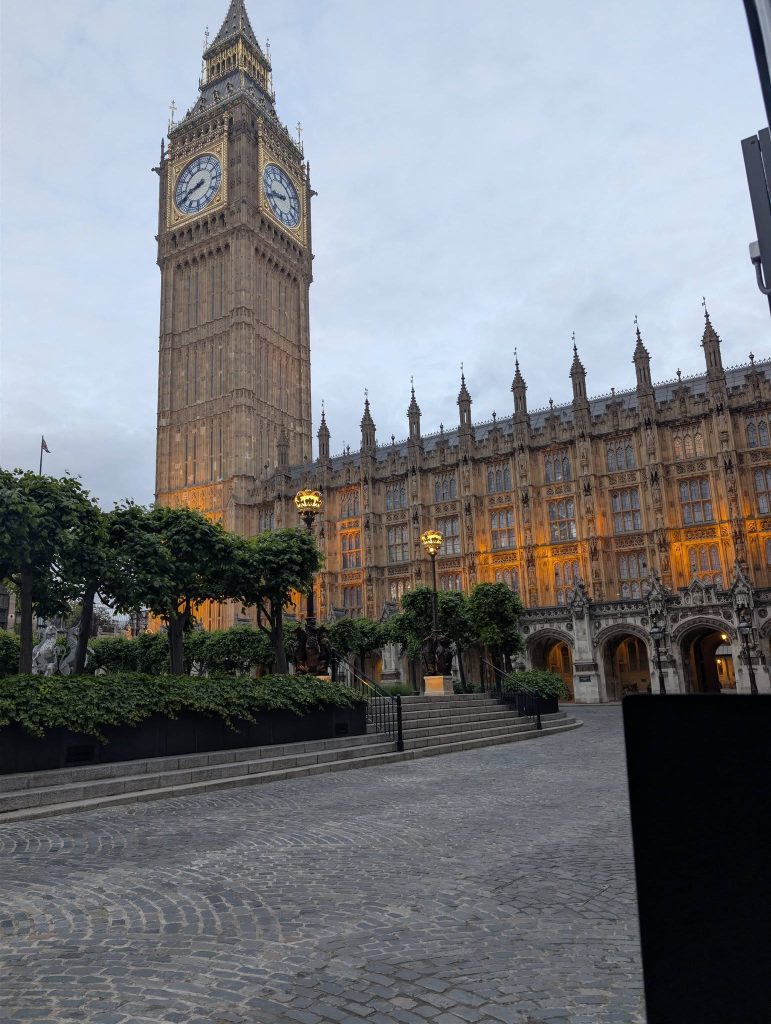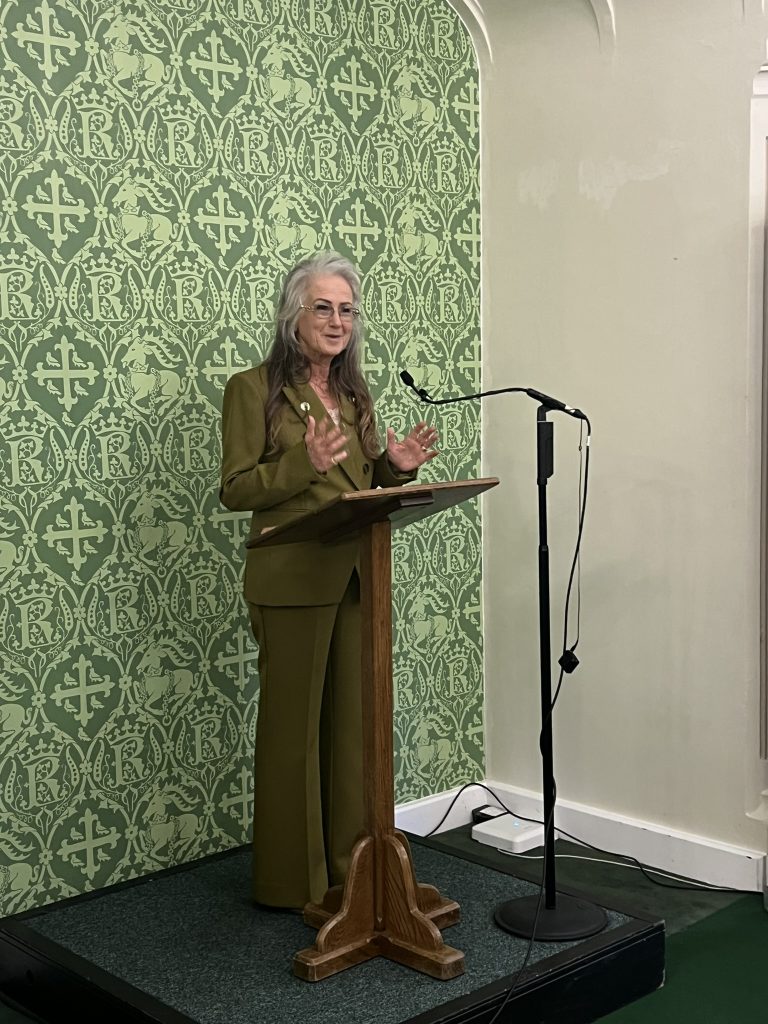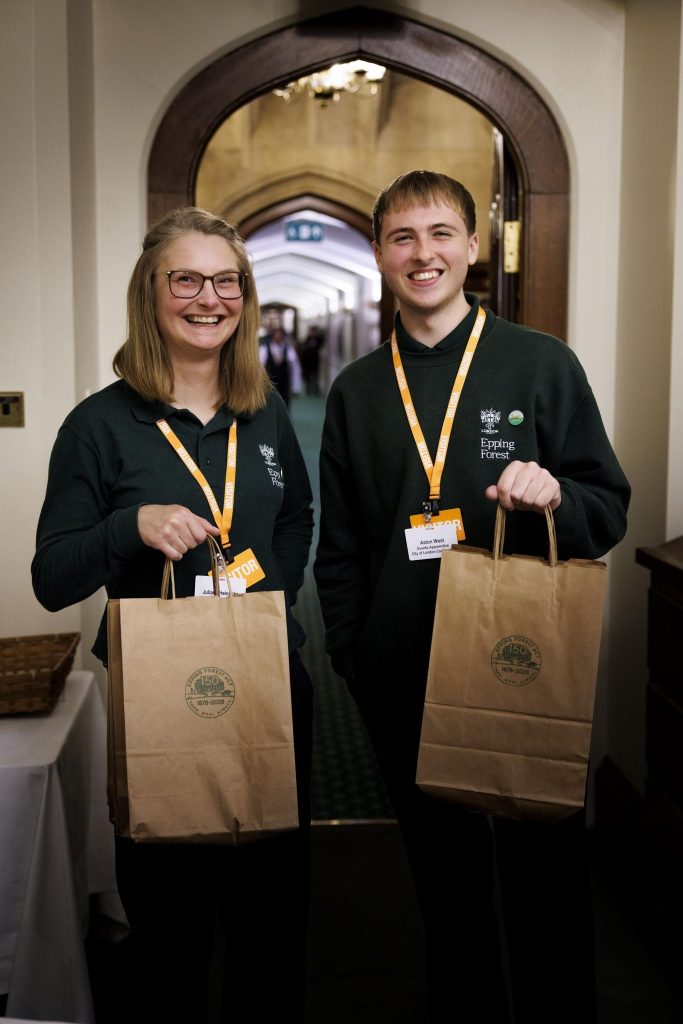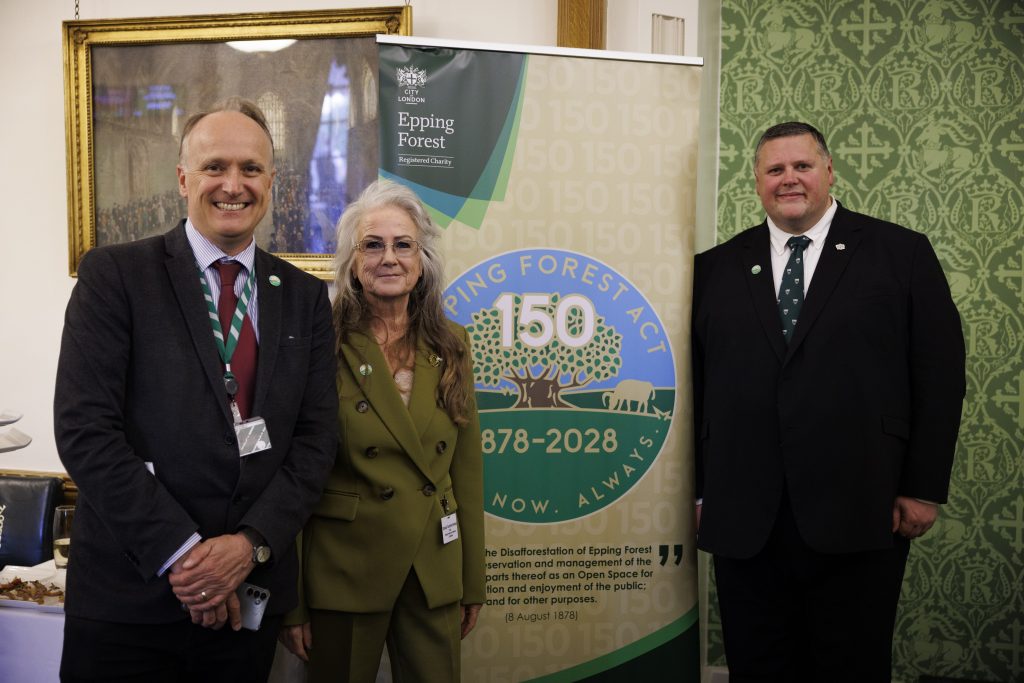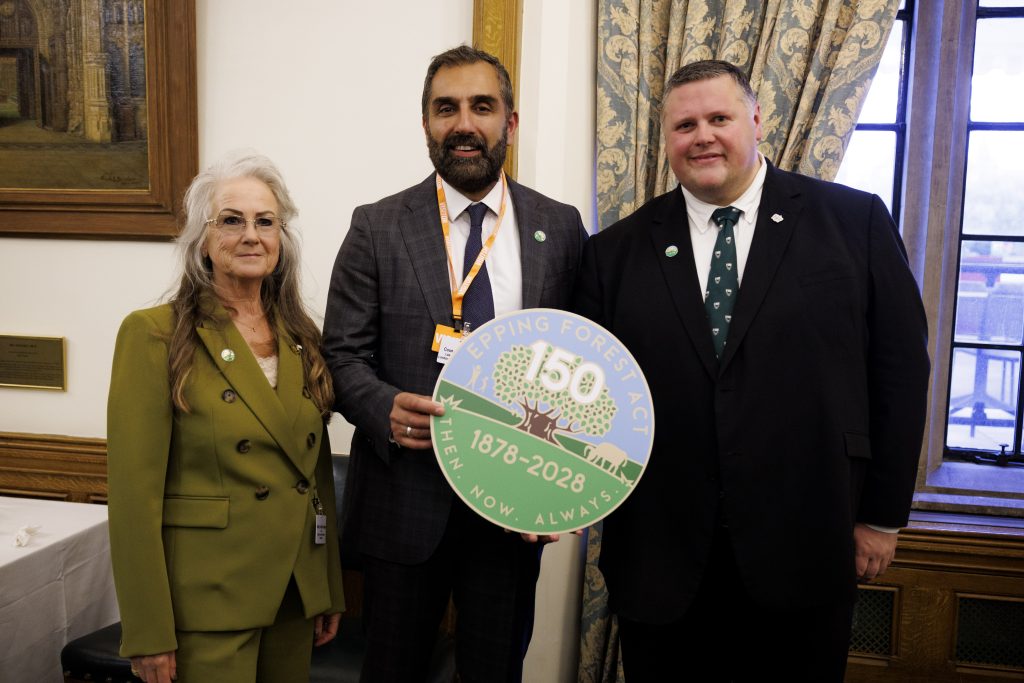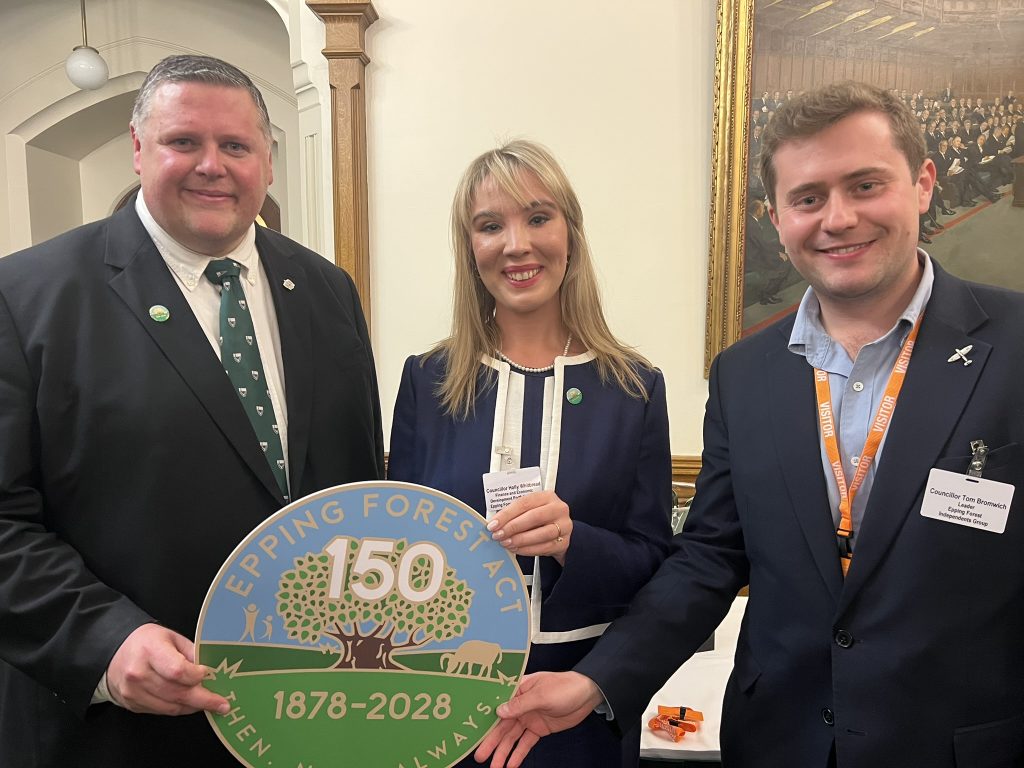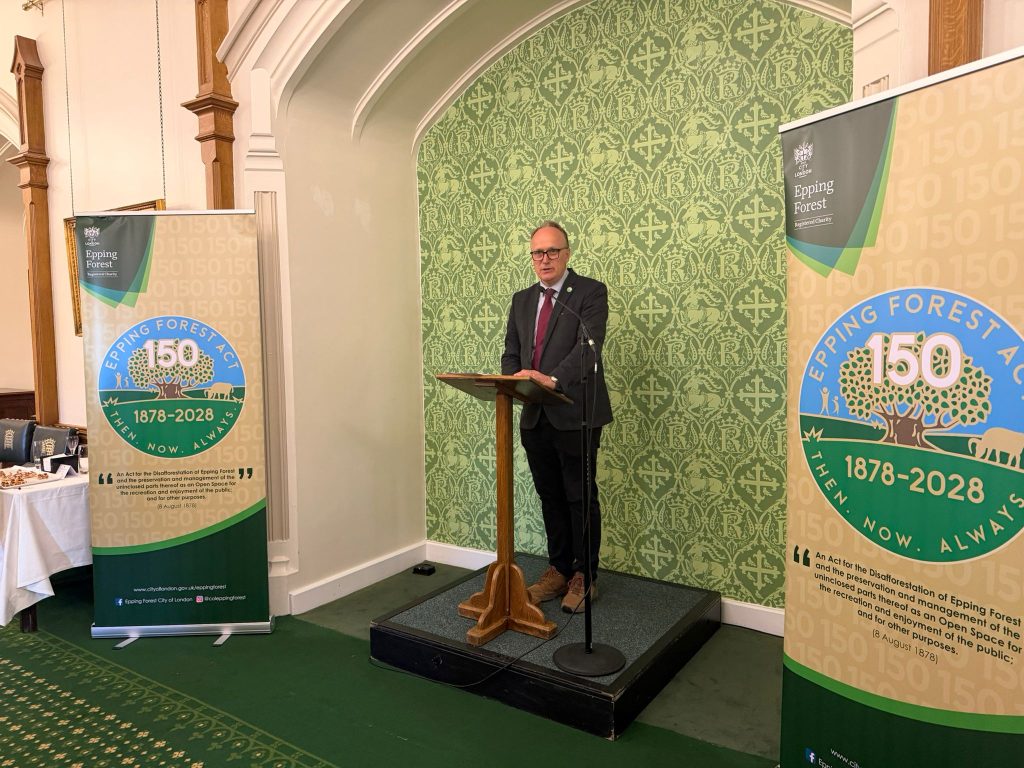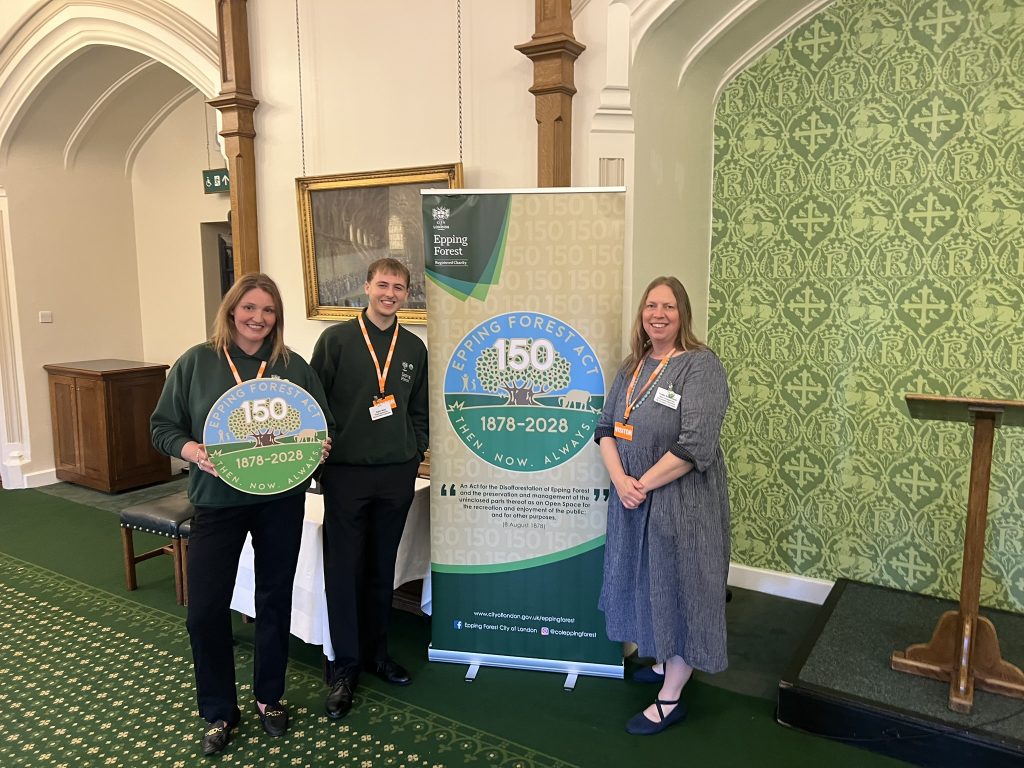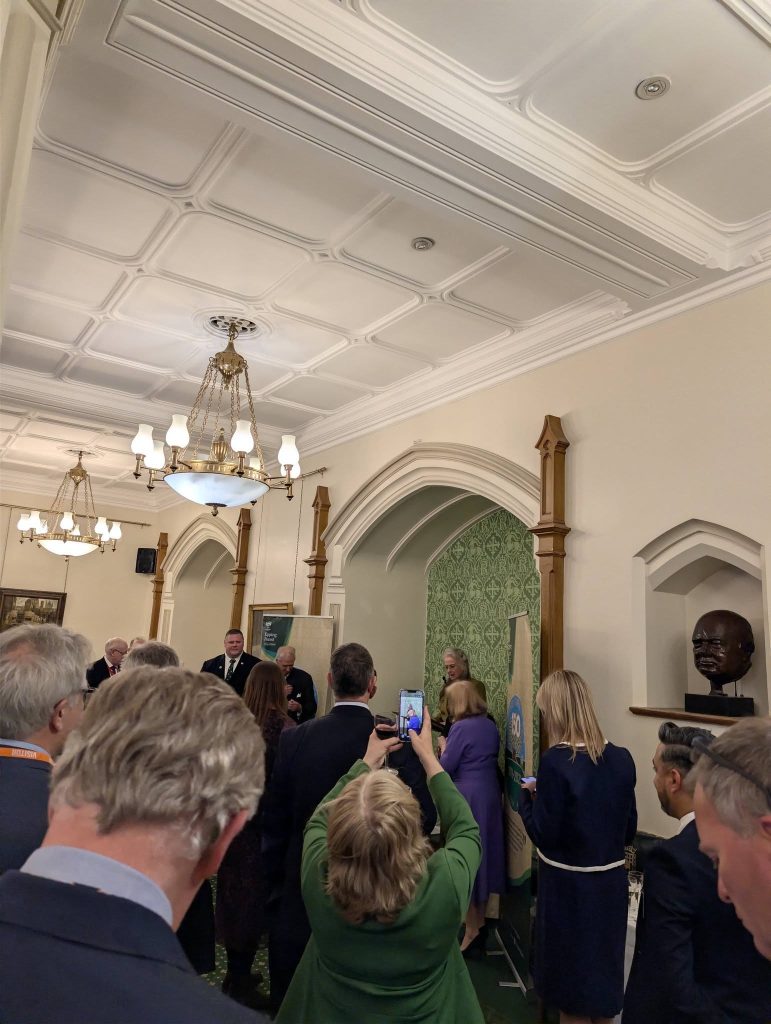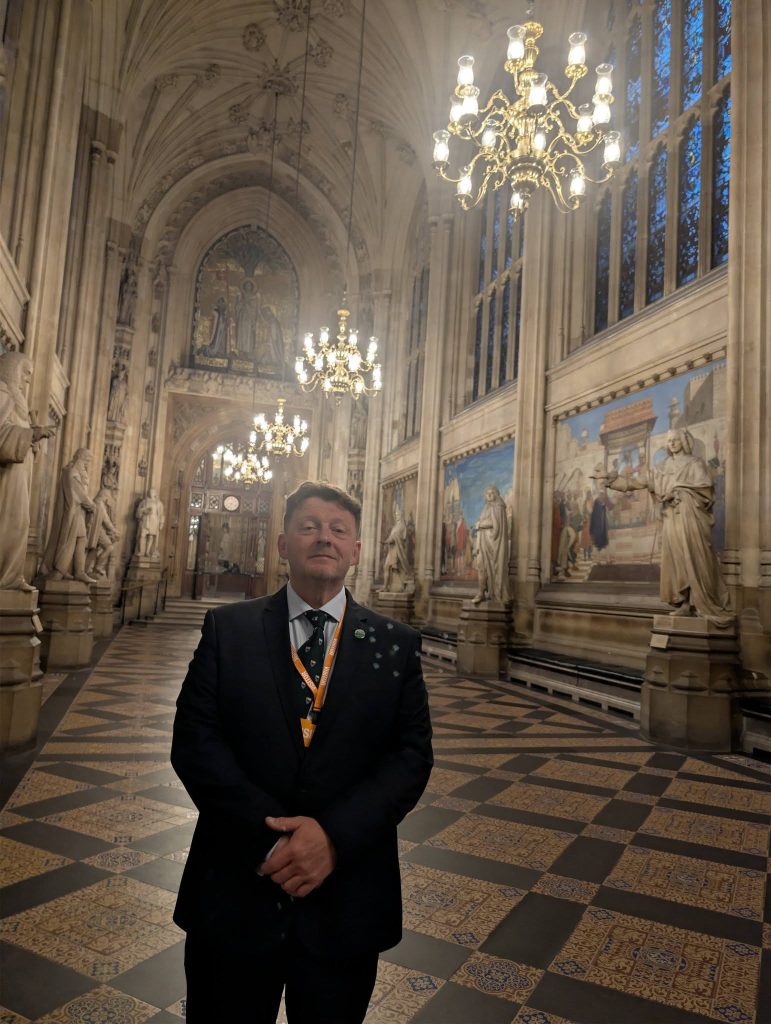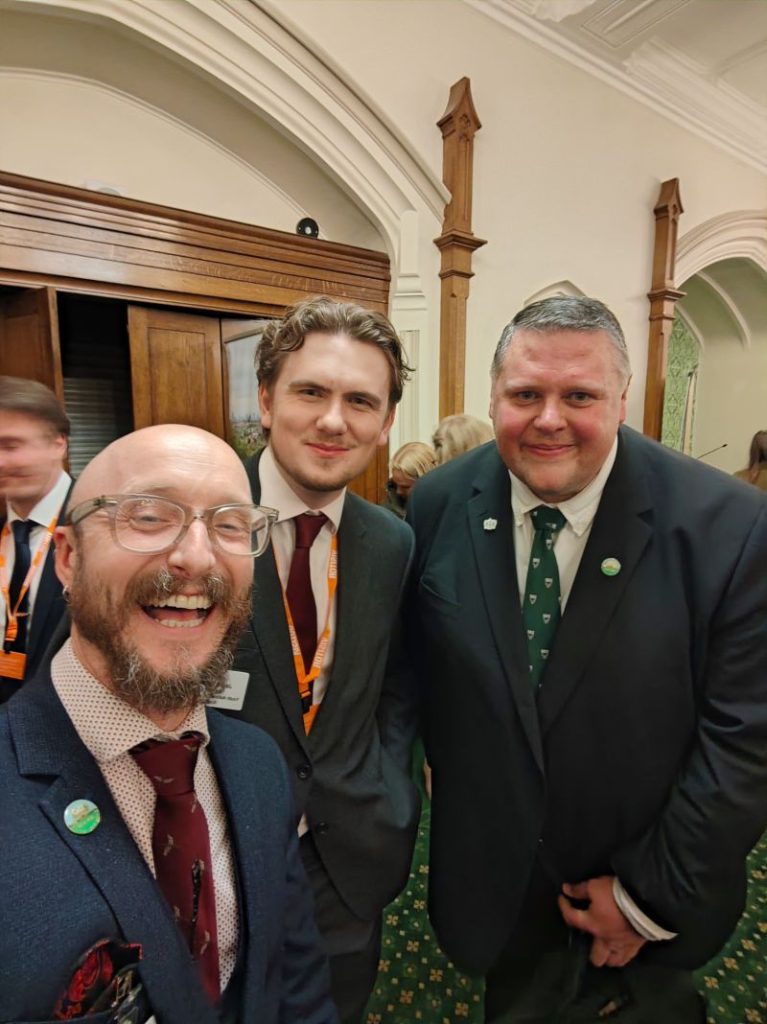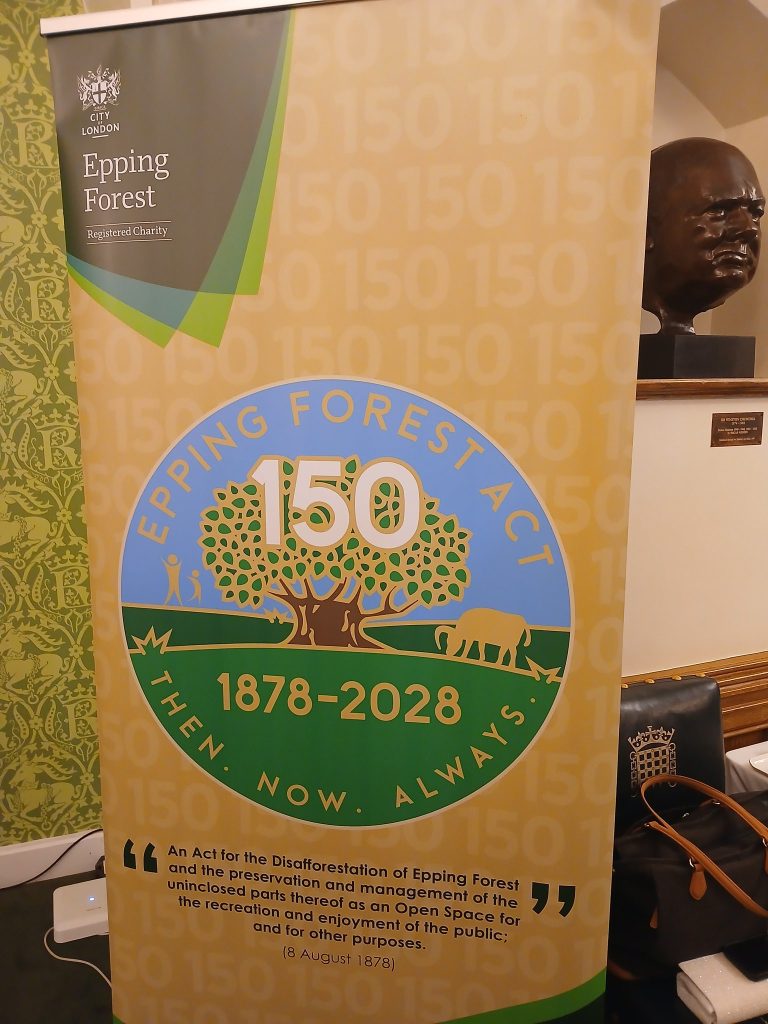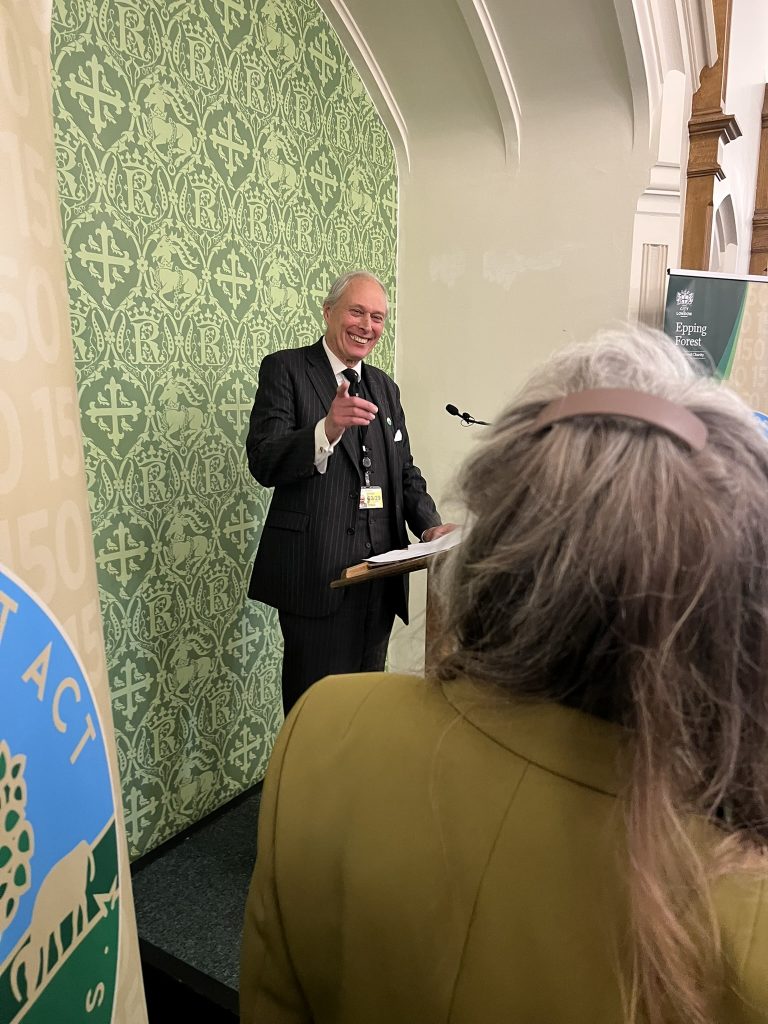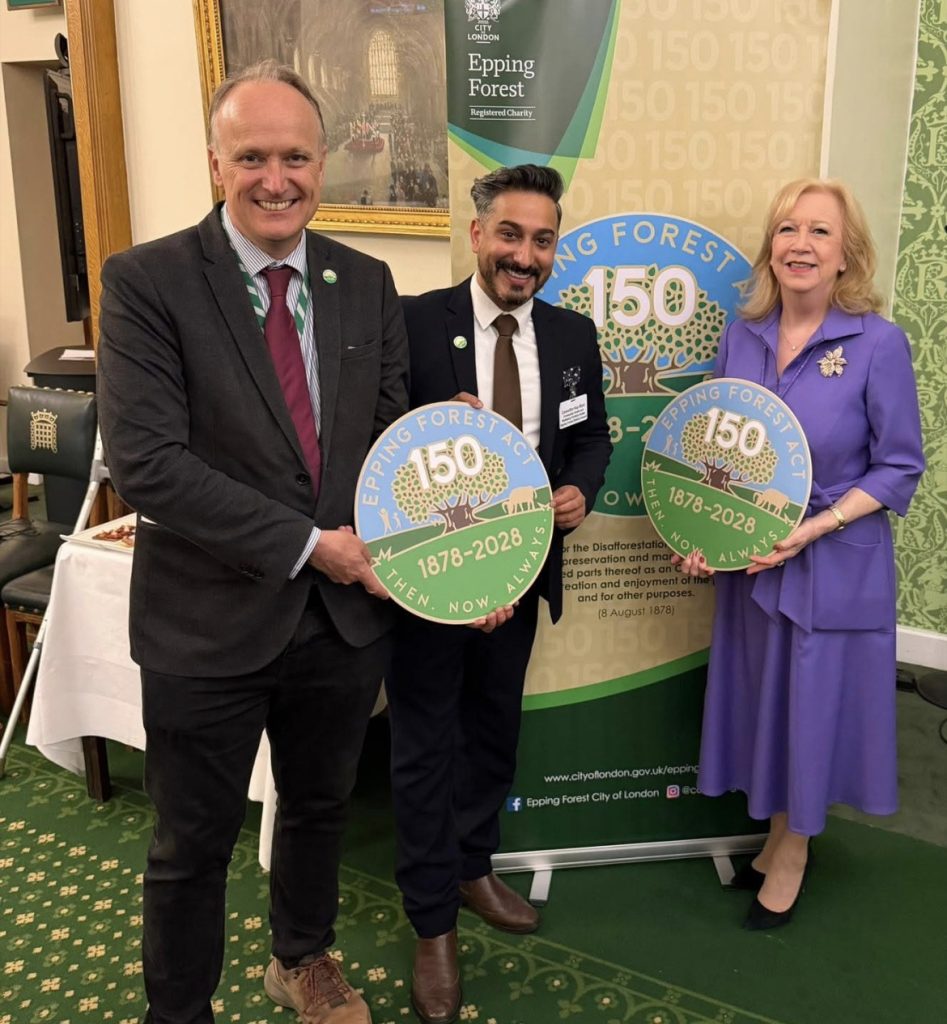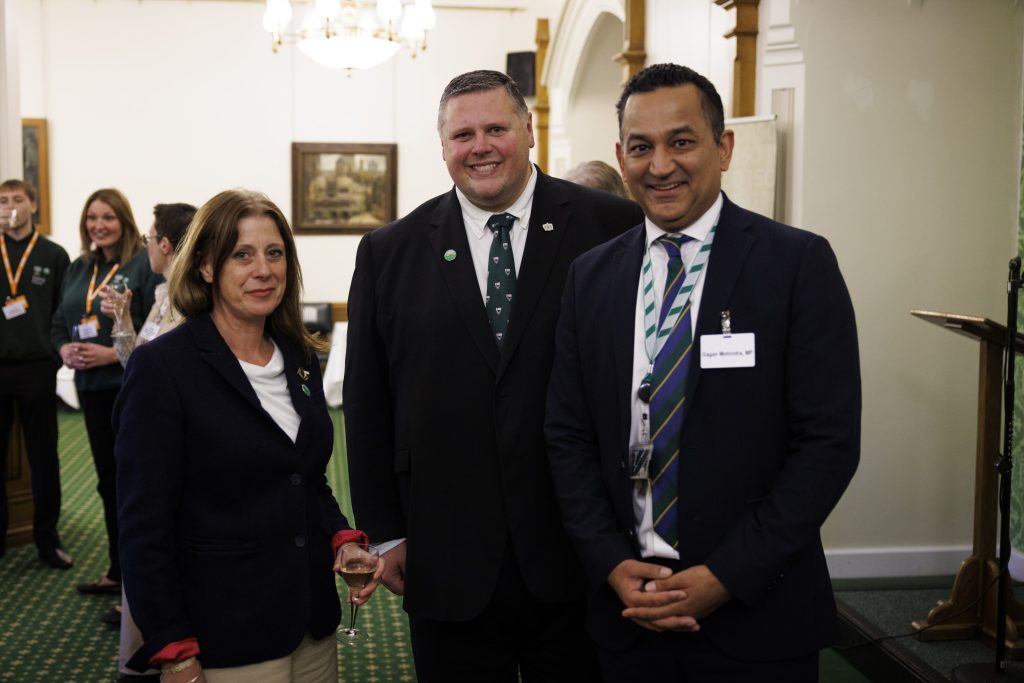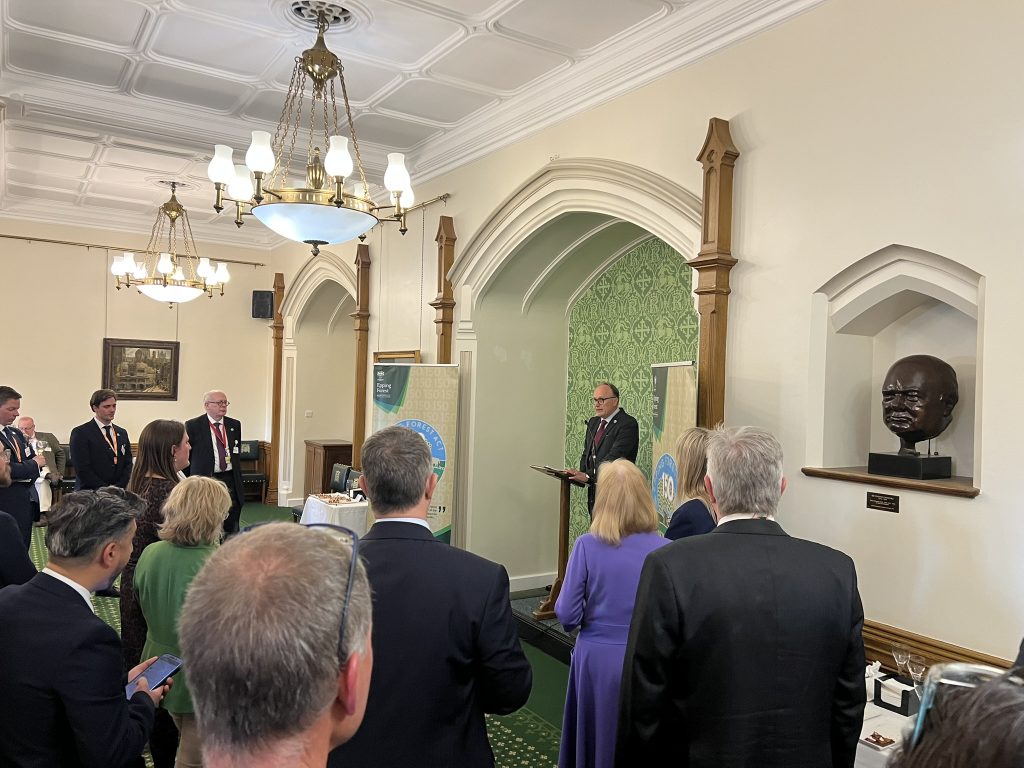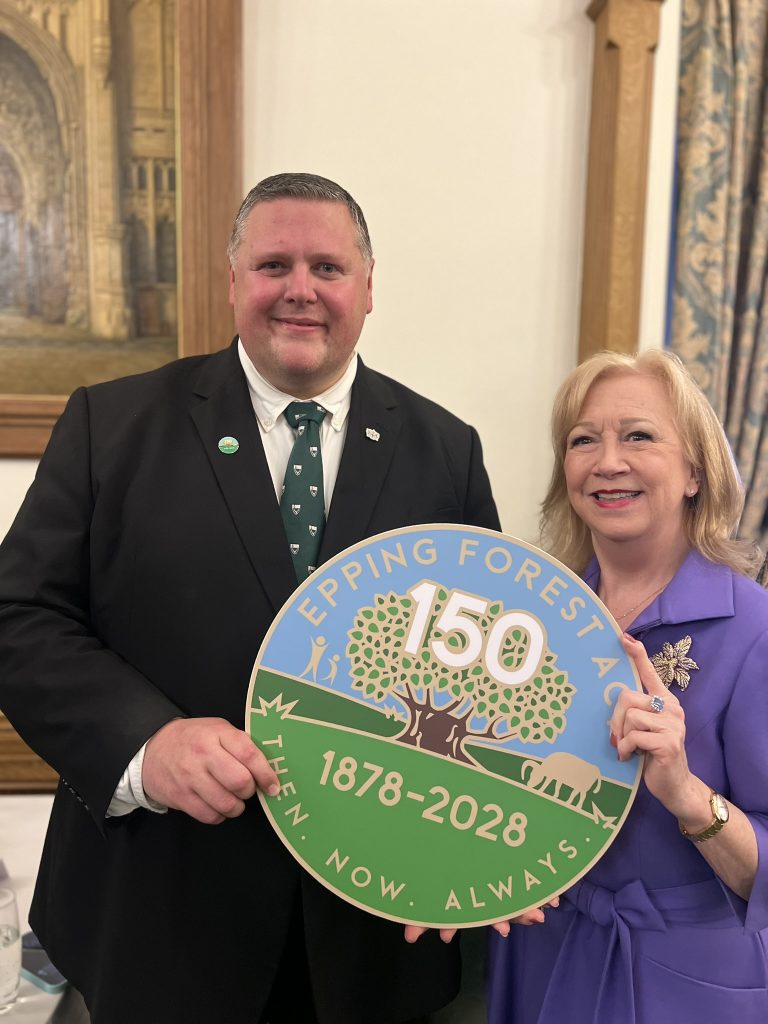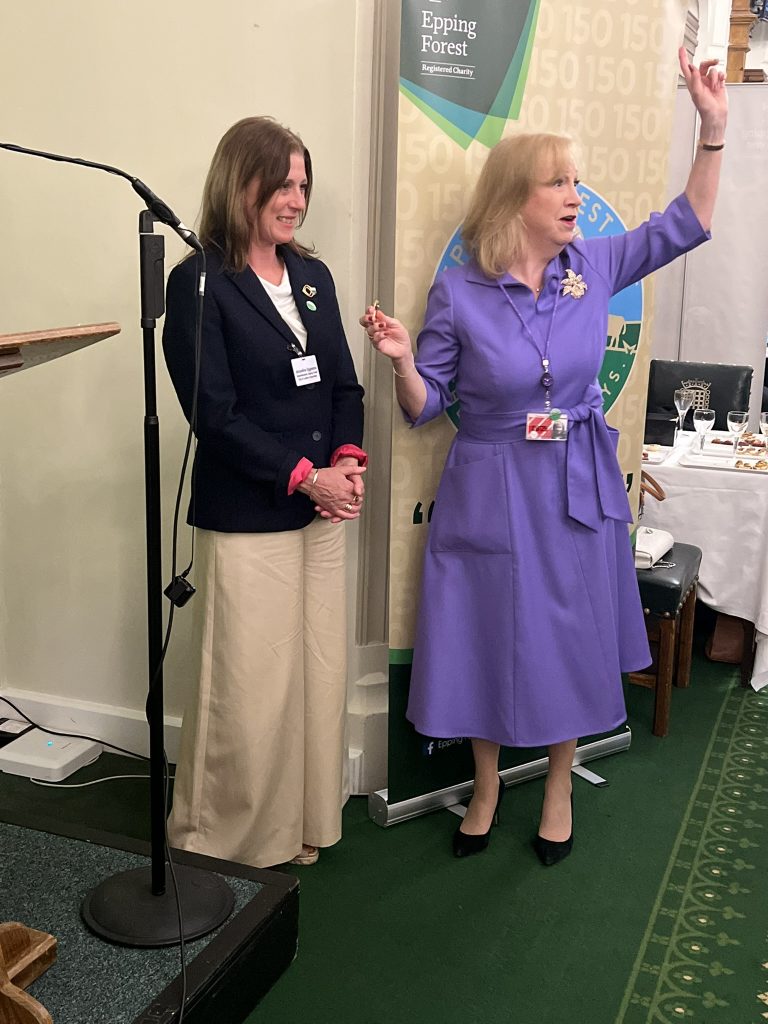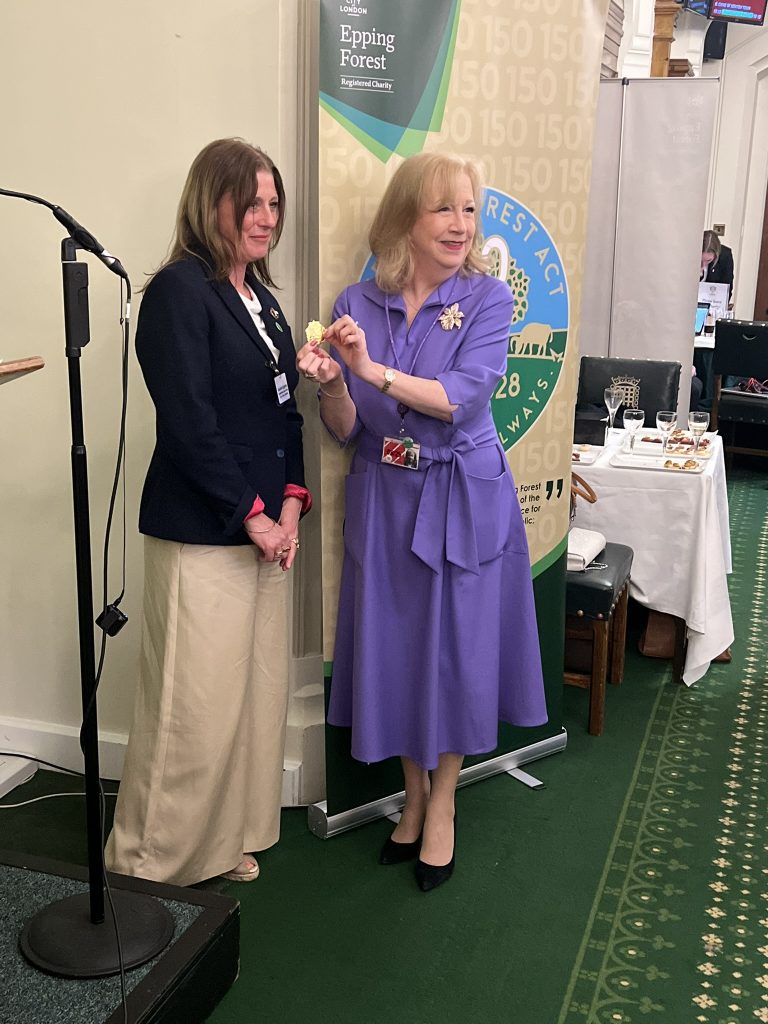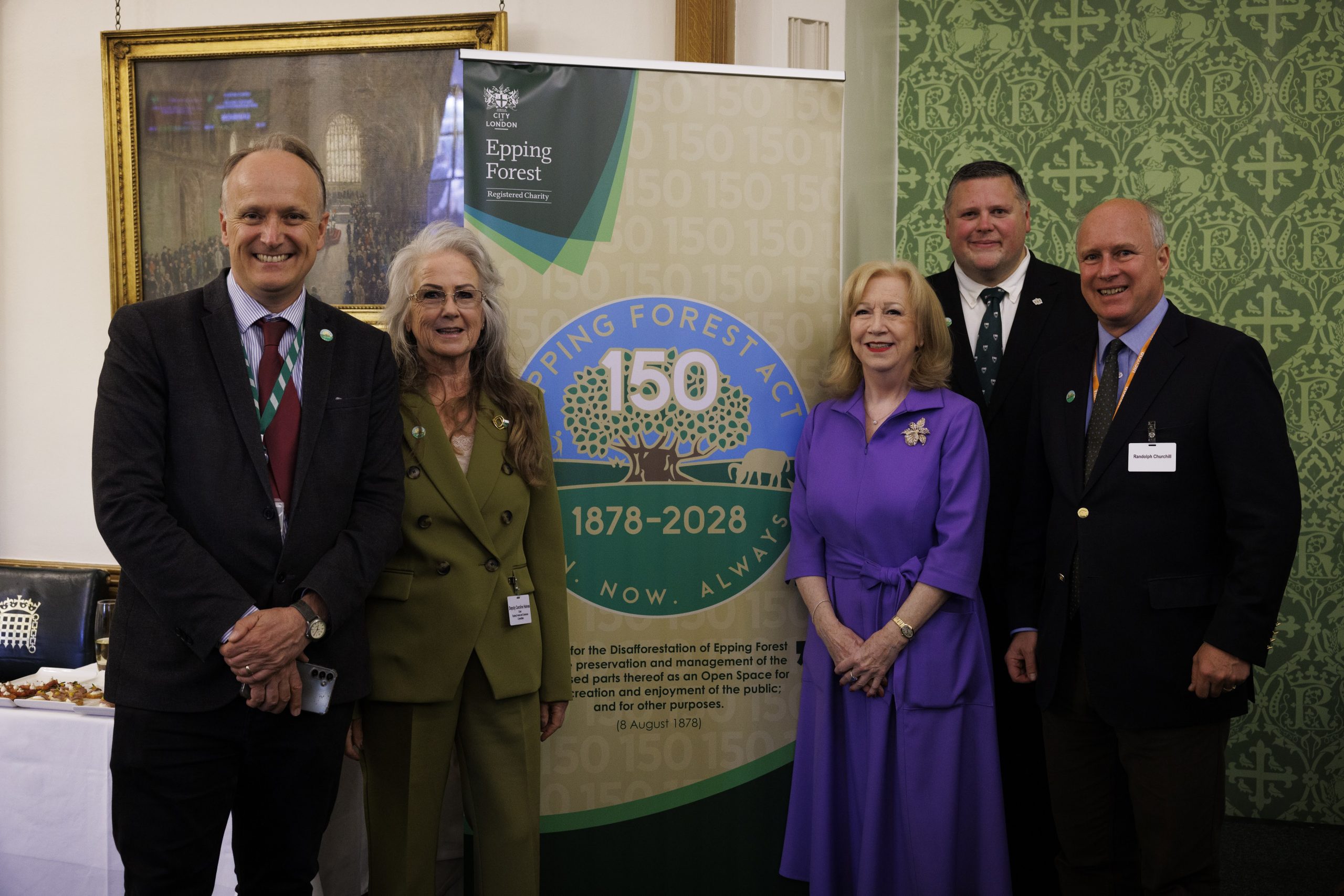
This evening, the Epping Forest and Commons Committee of the City of London Corporation returned to the House of Commons, where their story began as the Conservators of Epping Forest.
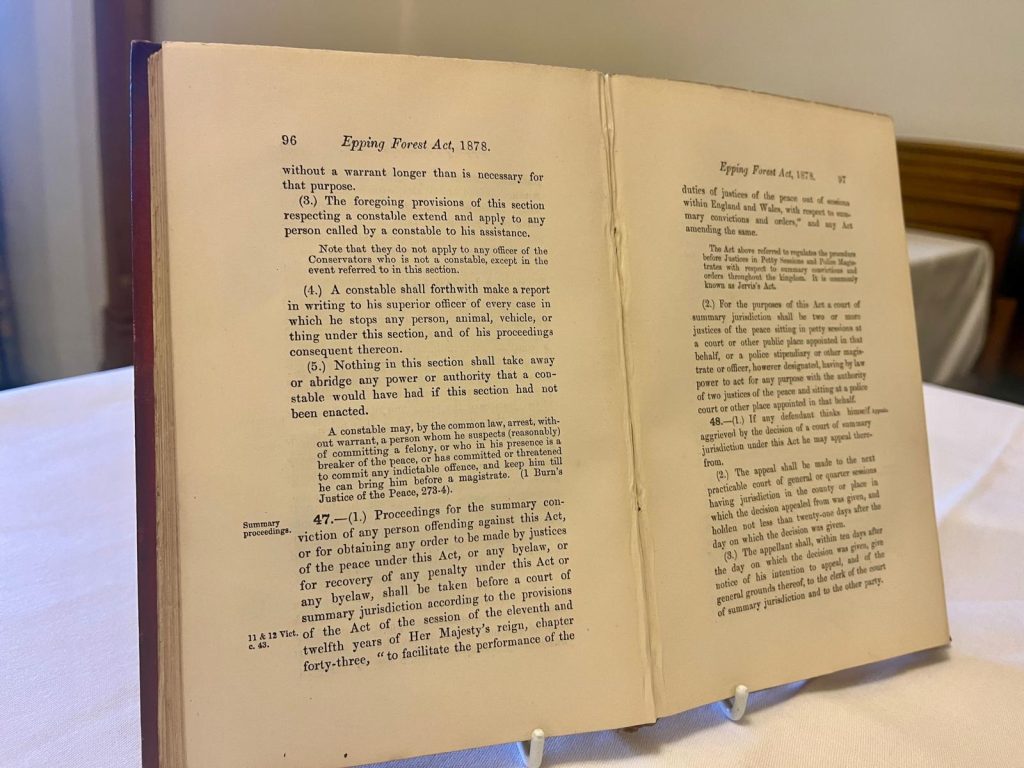
150 years ago, a legal process started in Parliament that would lead to the creation of the Epping Forest Act 1878 – securing the Forest for people and nature and shaping how green spaces are protected worldwide.
Now that legacy lives on across 8,000 acres of rare habitats, heritage and open space – home to over a million trees and welcoming more than 11 million visits each year.
This anniversary is a chance to celebrate how the “green lungs of London” were saved – and why that vision matters now more than ever.
The Churchill Room in the House of Commons was a fitting location, given Sir Winston Churchill was a former Member of Parliament for Epping in 1924 until 1945, then MP for Woodford until 1964. His bronze statue still proudly sits on Epping Forest land in Woodford today.
The reception, hosted by Shadow DEFRA Minister and Epping Forest Member of Parliament Dr Neil Hudson MP and Chair of the Epping Forest and Commons Committee Caroline Haines, welcomed MPs from across the political spectrum with a shared interest in Epping Forest’s future, alongside members of the House of Lords, including former Member of Parliament for Epping Forest the Rt Hon Baroness Laing of Elderslie and Winston Churchill’s grandson, Randolph.
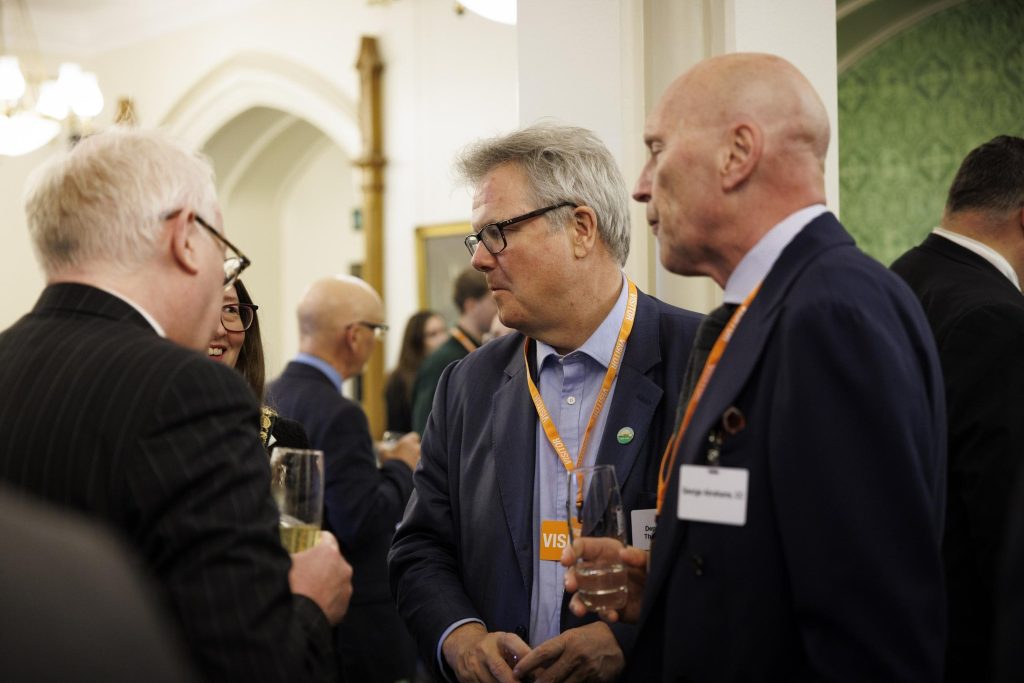
Guests included representatives from nature and conservation groups, local council leaders and academics. The former Remembrancer of the City of London (now its Under-Sheriff) Paul Double explained his role as a Parliamentary Agent, who is a licensed professional who represents the City of London in the legislative process, primarily focusing on drafting and promoting private bills in Parliament, but also as the primary channel of communication between the City, the Royal Household and Parliament. He explained the primary purpose of the Epping Forest Act 1878 and the primary purpose it has had across international conservation movement, but also how it has been updated over time to reflect changes in society and issue additional powers to the Conservators through the City of London Corporation (Open Spaces) Act 2018. It is clear that without it’s primary legislative protections and its important legal classifications as a Site of Special Scientific Interest and a Special Area of Conservation, Epping Forest would probably have been consumed for other purposes, as Waltham Forest and Hainault Forest were to a considerable degree.
Over the next two years, we look forward to sharing our programme of anniversary events which can tell Epping Forest’s story – past, present and future. We encourage everyone to be part of its next chapter and you can sign-up for updates here: Epping Forest City of London. You can also view our Epping Forest Visitor Guide here and our Volunteer Guide here.