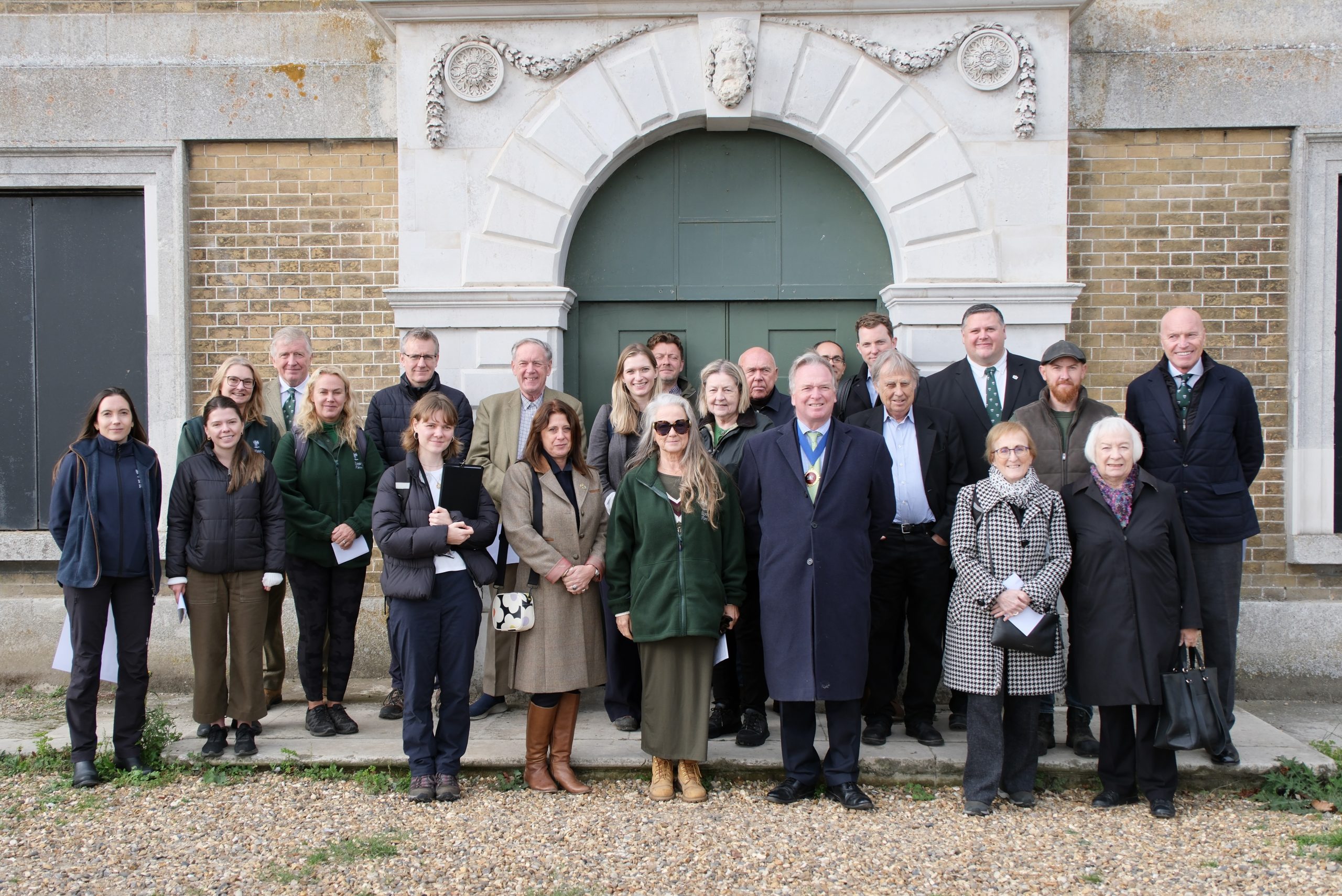
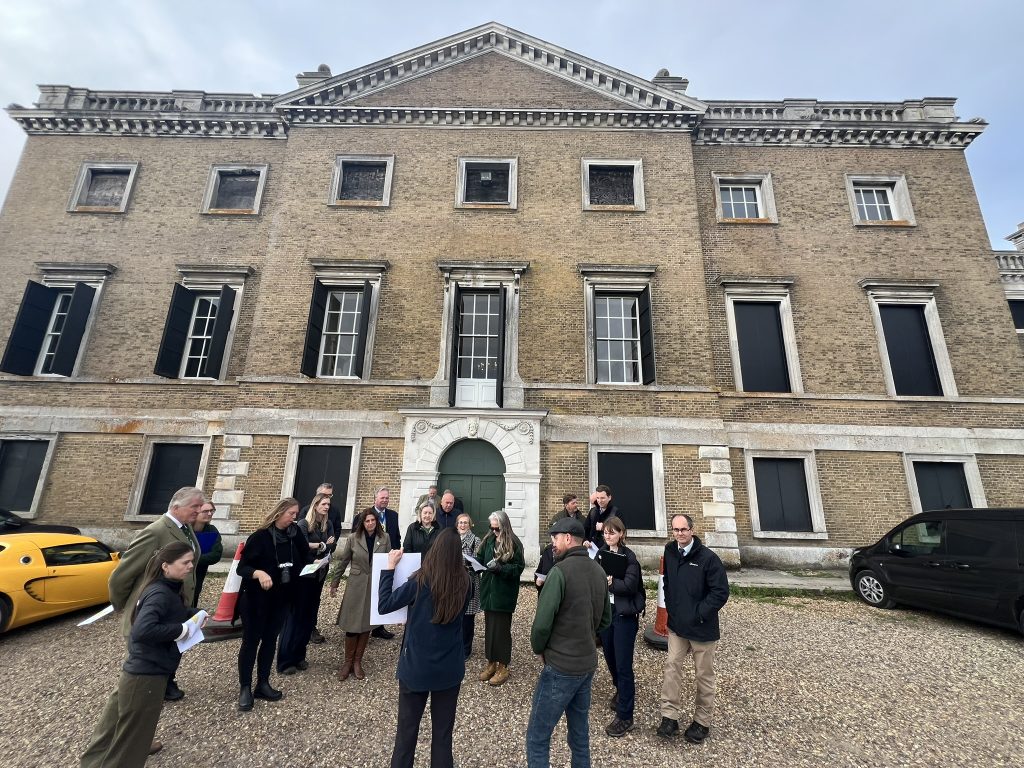
This morning, the Epping Forest and Commons Committee welcomed Councillors and Officers from across the City of London Corporation to Copped Hall in Epping Forest to see some of the projects underway through its Climate Action Strategy.
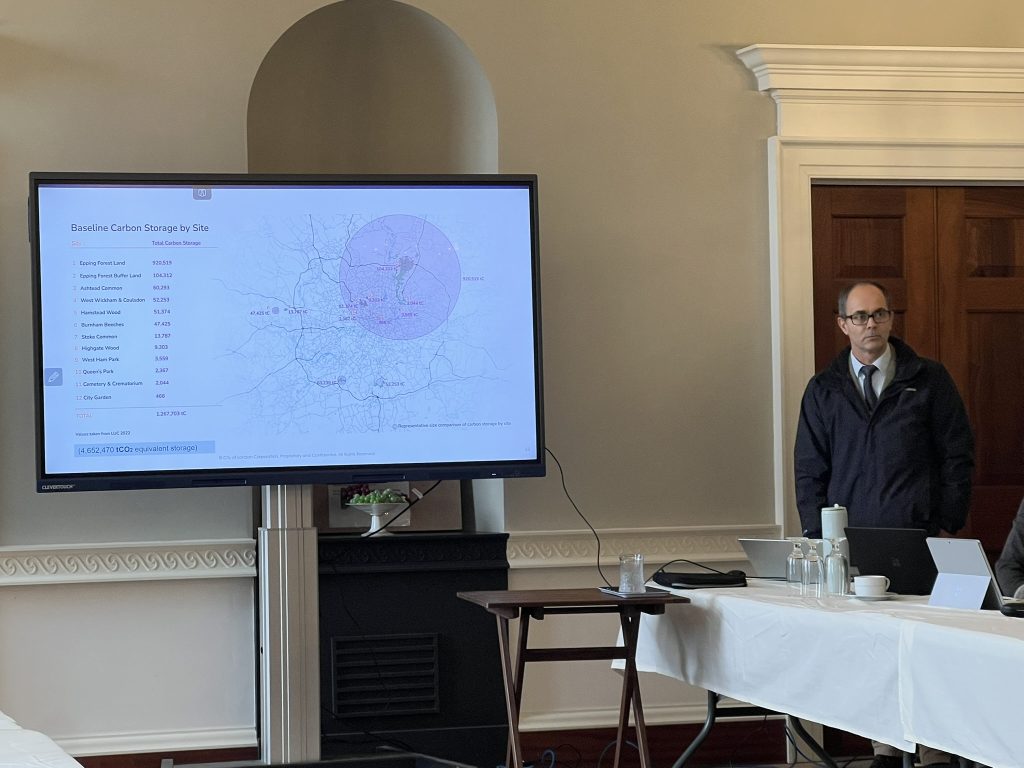
The strategy has both land management and carbon removals projects embedded within it, to help enhance the biodiversity in our natural environment, protect the existing carbon stored by our open spaces and to increase their carbon sequestration capacity over time.
Places like Epping Forest help remove carbon dioxide, whilst housing important habitats and wildlife, improve air quality, and create valuable places for health and wellbeing for millions of people every year.
The City of London Corporation purchased 730 acres of the Copped Hall Estate in 1992 in order to protect the boundaries of the Forest from development and to provide support for the Forest’s wildlife. This acquisition was one of a series of Buffer Lands acquisitions during the 1980s and early 1990s made to protect the Forest in a strategy recognised and endorsed in October 1993 by Policy and Resources Committee. The land includes a national Registered Park and Garden designation.
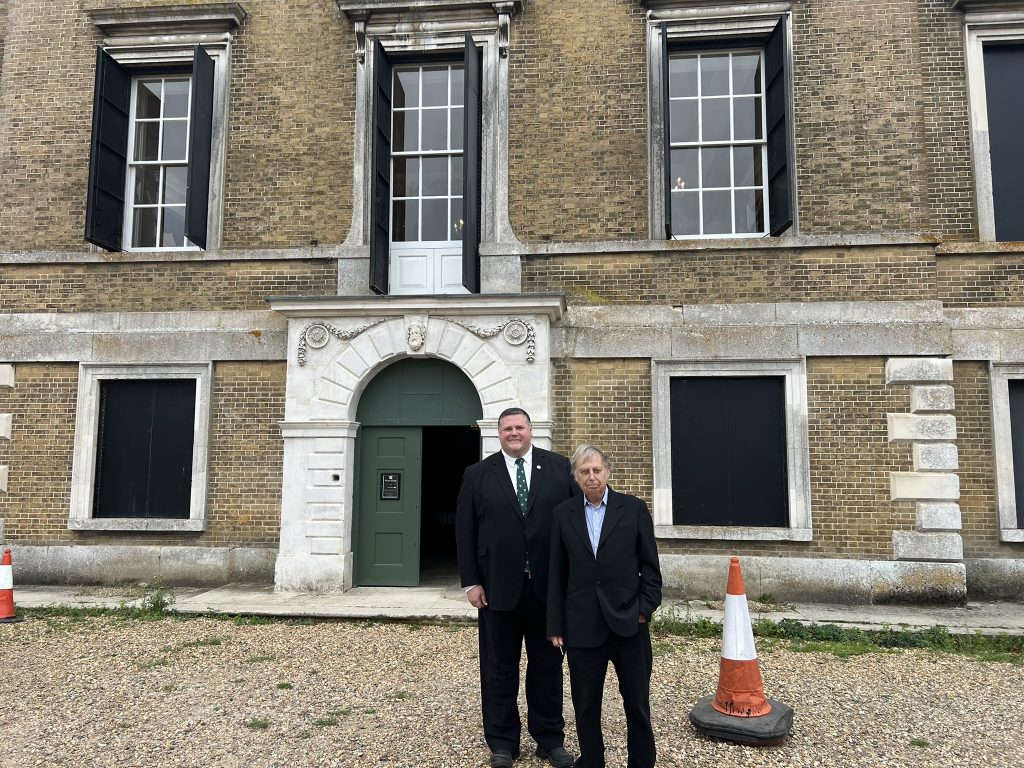
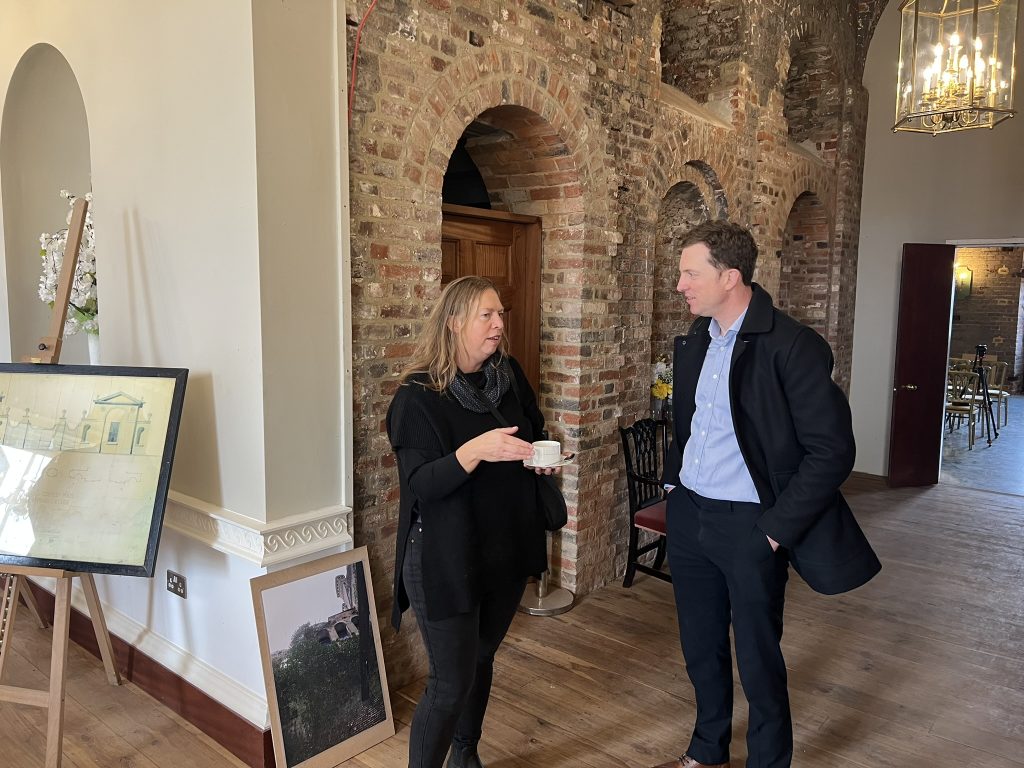
In 1995, the Hall and gardens were purchased by the Copped Hall Trust. The Hall has been undergoing a wholesale restoration for some years and the efforts are certainly paying off. It’s a really impressive community and education space now, which welcomes many visitors in its own right.
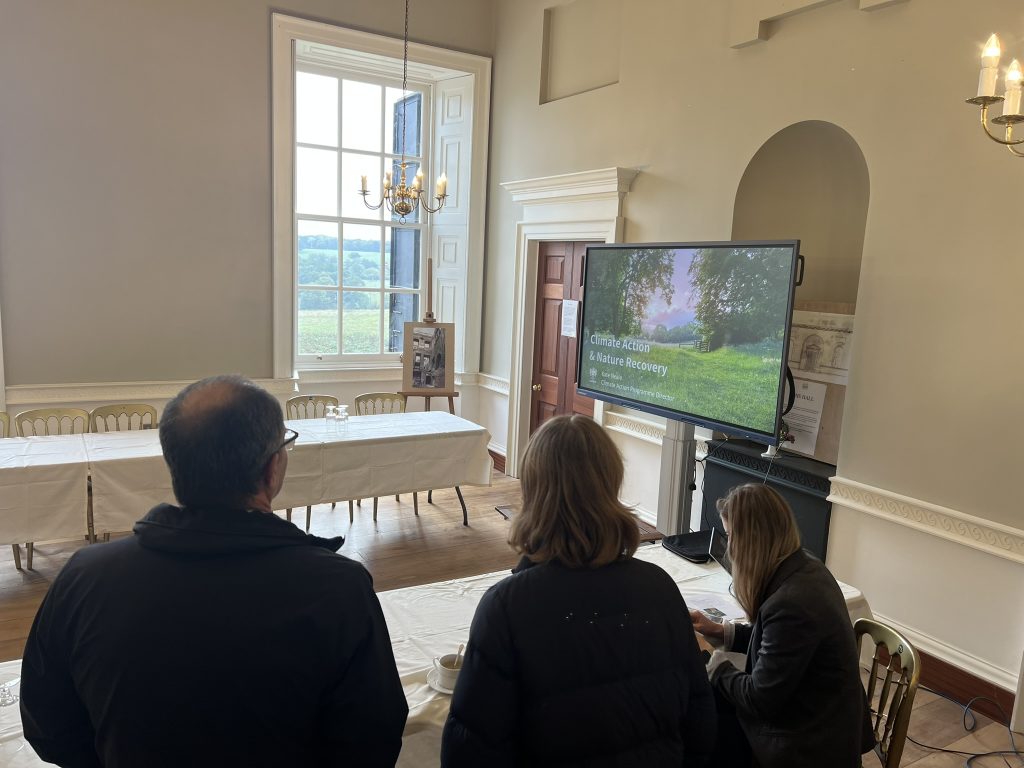
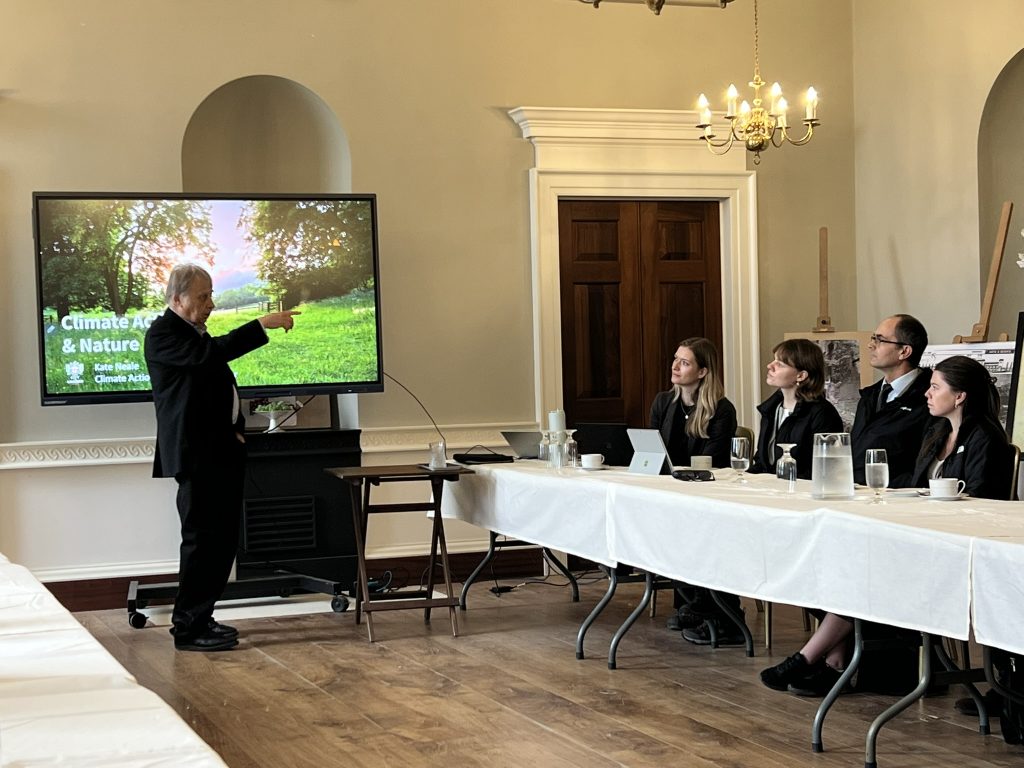
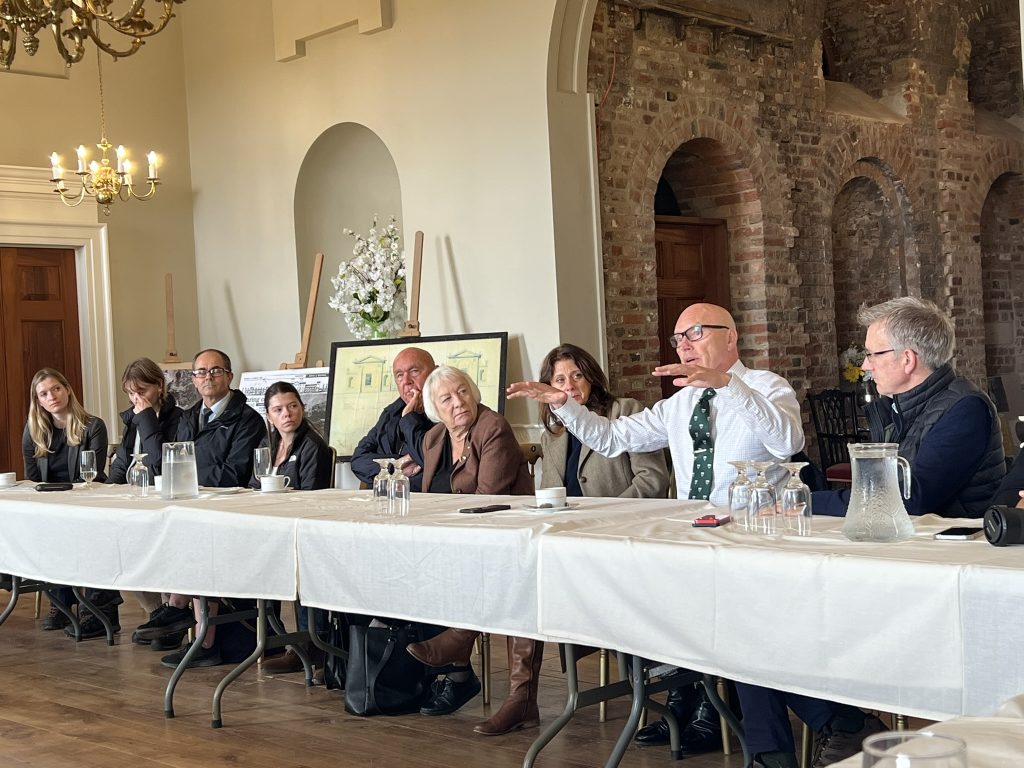
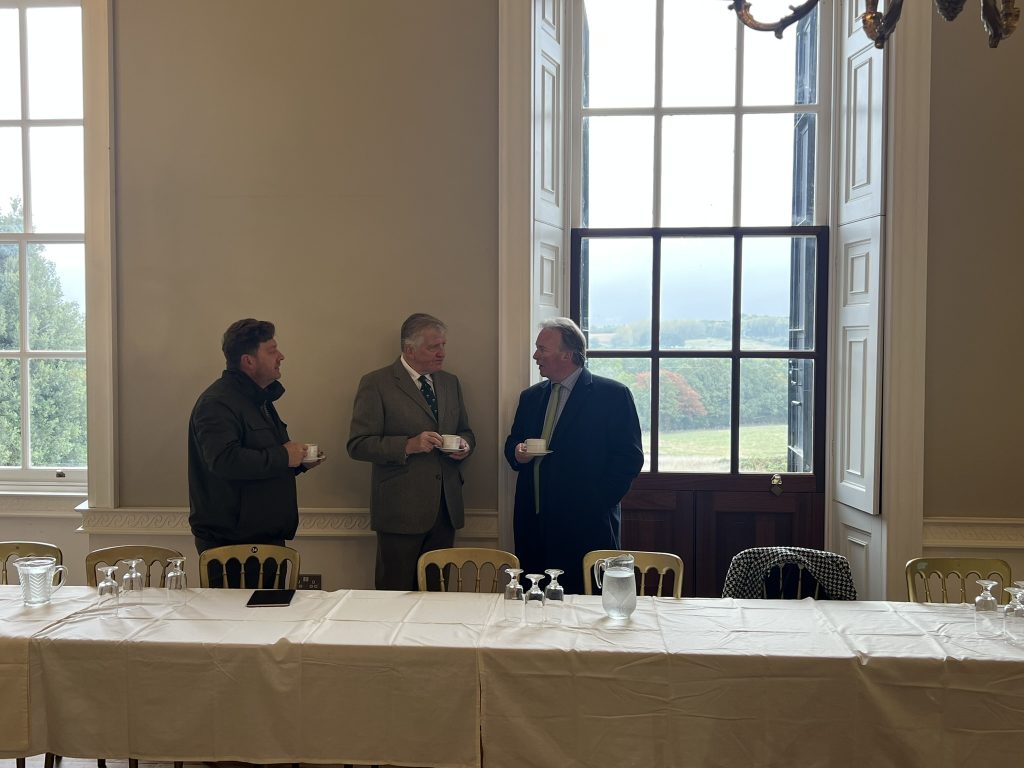
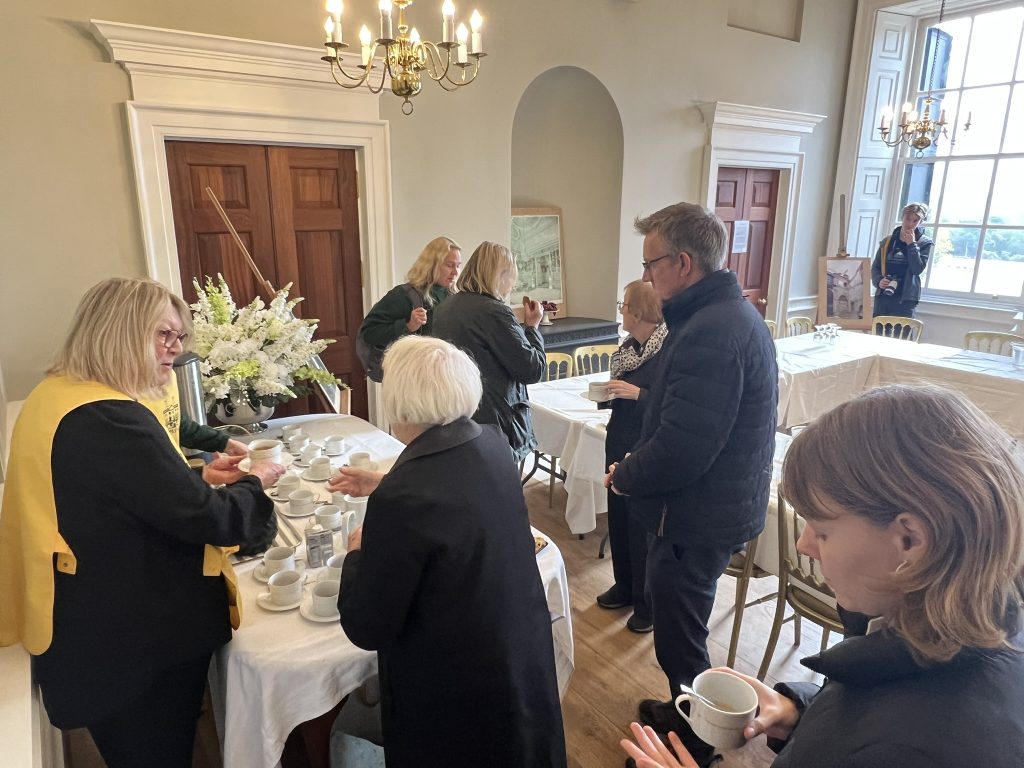
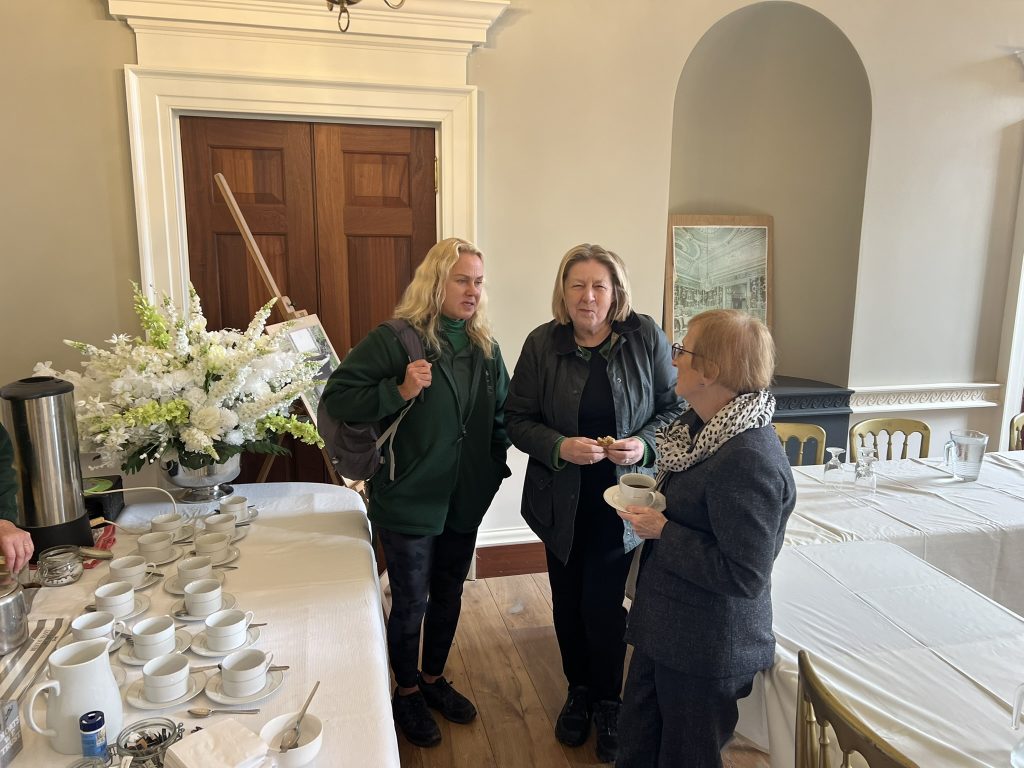
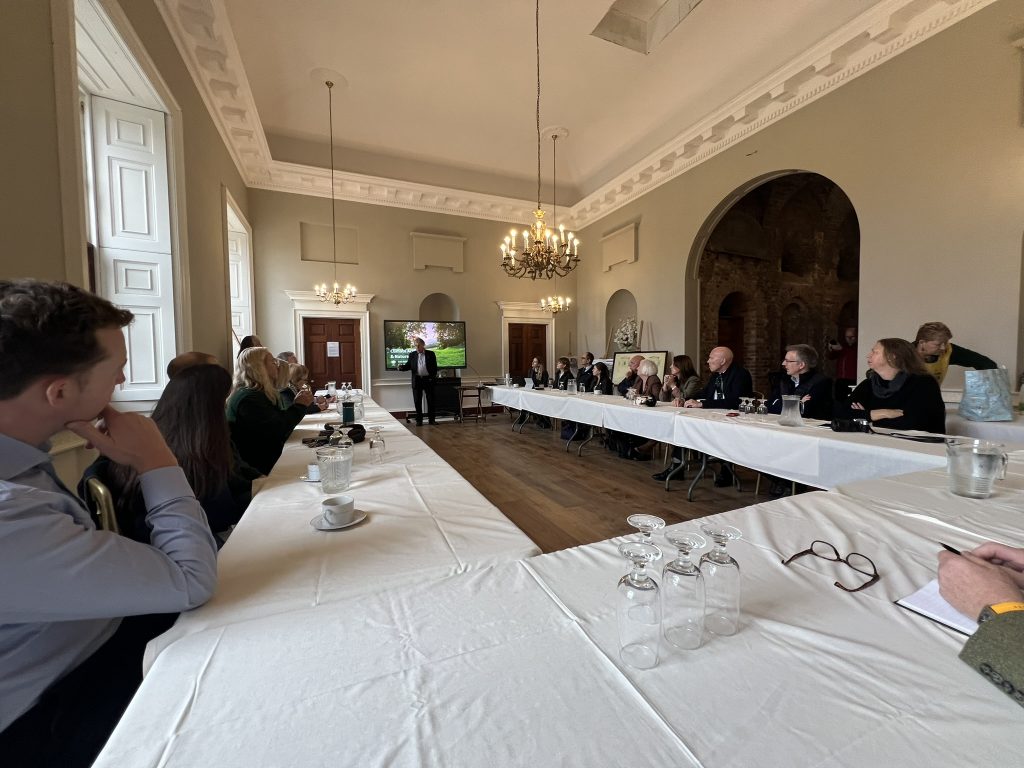
After a coffee and a chat, we were delighted to host our meeting in the State Room where we heard from Alan Cox, the Trust’s Chairman who thanked the City for their ongoing partnership in maintaining the estate and supporting his vision for the restoration.
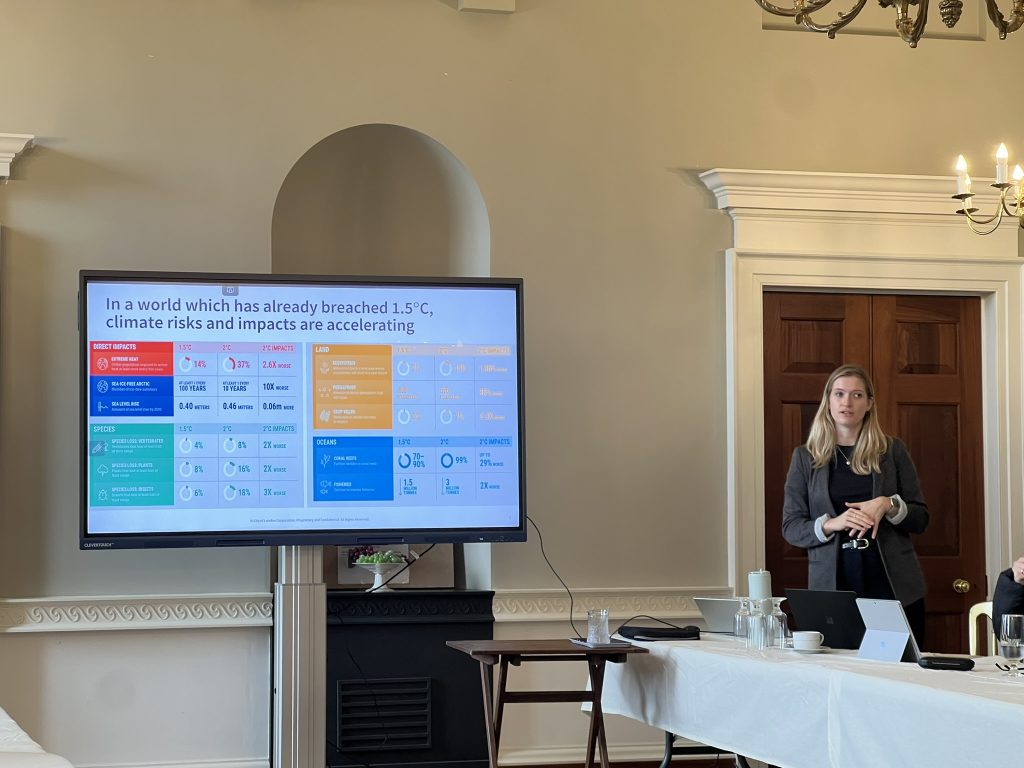
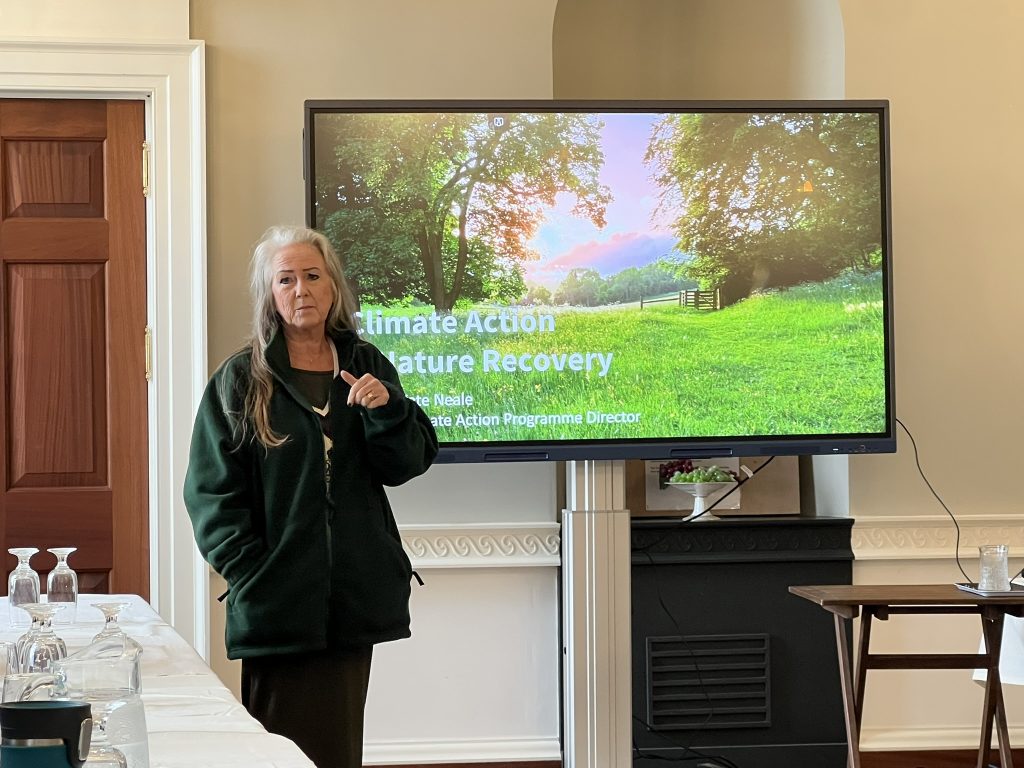
Alan was followed by presentations from the City’s Climate Action Team who outlined some pretty stark statistics, including that the world has already breached the 1.5 degrees Celsius target and the climate risks and impacts are accelerating.
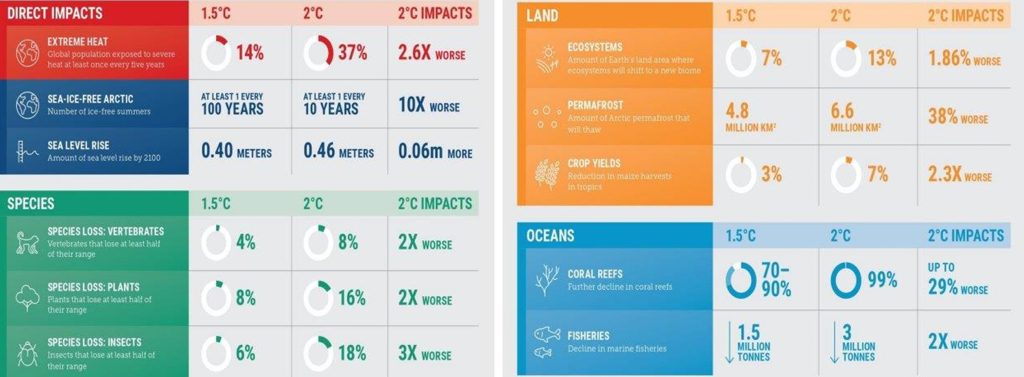
Ultimately, at Epping Forest, the risks we are seeking to protect or mitigate against include water stress, flooding, overheating, biodiversity losses and pests and diseases.
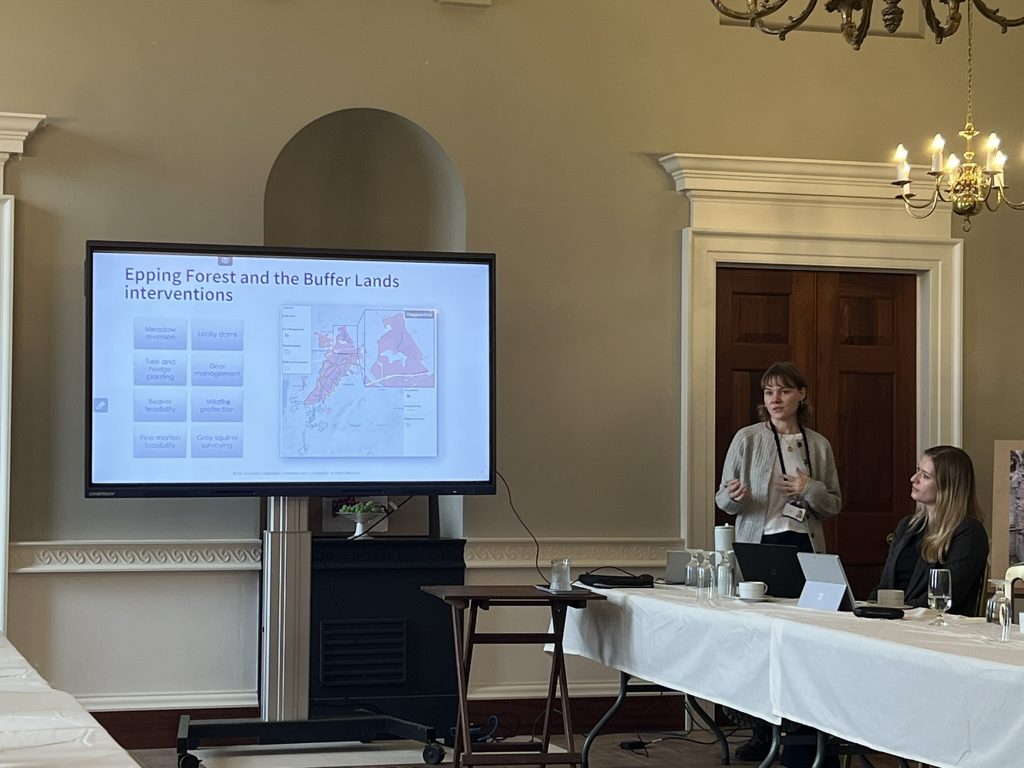
We are doing that through a whole range of projects including meadow creation, reedbed creation in our lakes and ponds, reducing our amenity mowing, hedgerow creation, wood pasture creation, woodland expansion and support natural tree generation.
To address water resilience, we are also creating 376 leaky dams which will direct rainwater into ditches which will avoid flooding and retain moisture in the soil for far longer. We are looking at how best to support our 55,000 ancient trees and working with international conservation teams to perform early veteranisation of trees. Healthy trees which are hundreds of years old can store considerably more carbon than new trees. Just one of ours is storing 14 tonnes of carbon! Mulching, propping, protective fencing and soil monitoring are all useful ways in which we can support our tree population.
Our teams are also working on wildfire prevention, through a range of new signage and education, investment in new equipment, carefully cutting firebreaks to avoid unnecessary spread and joint operations and training with London Fire Brigade and Thames Water.
We are also concluding regular wildlife management activities, including managing our wild grey squirrel population and our fellow deer and muntjac populations.
We had a really good debate about the importance of the role Epping Forest’s Buffer Land is playing not just in nature conservation and in response to helping the City of London Corporation meet its net zero obligations, but also by improving air quality, health and wellbeing and recreation to millions of people.
We also discussed the need to focus more attention of water resilience going forward. We know that the Environment Agency has suggested London should have water shortages for its need in 20-25 years, which will likely mean that they will restrict how rivers and waterbodies consume water across Epping Forest. Some of our lakes and reservoirs need winter pumping to fill them with water after the summer droughts. Without water, all life would end.
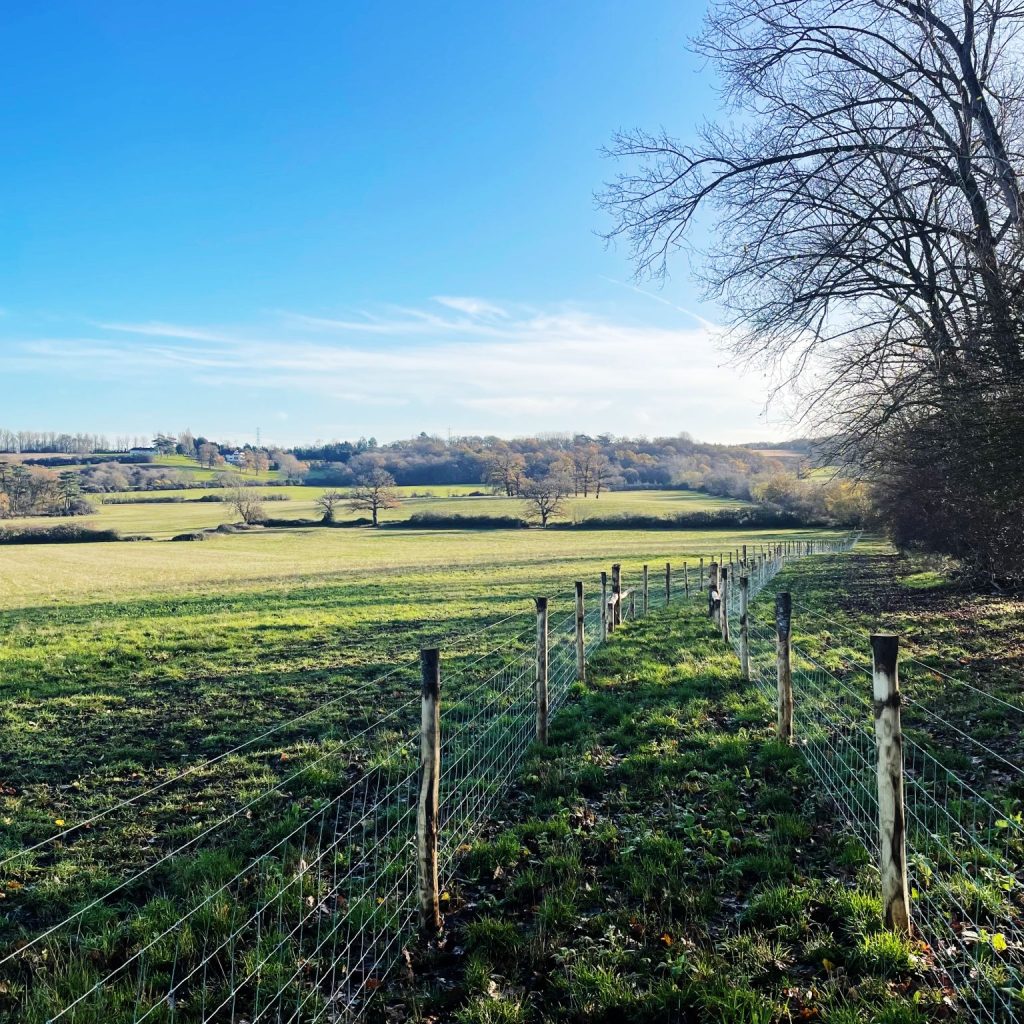
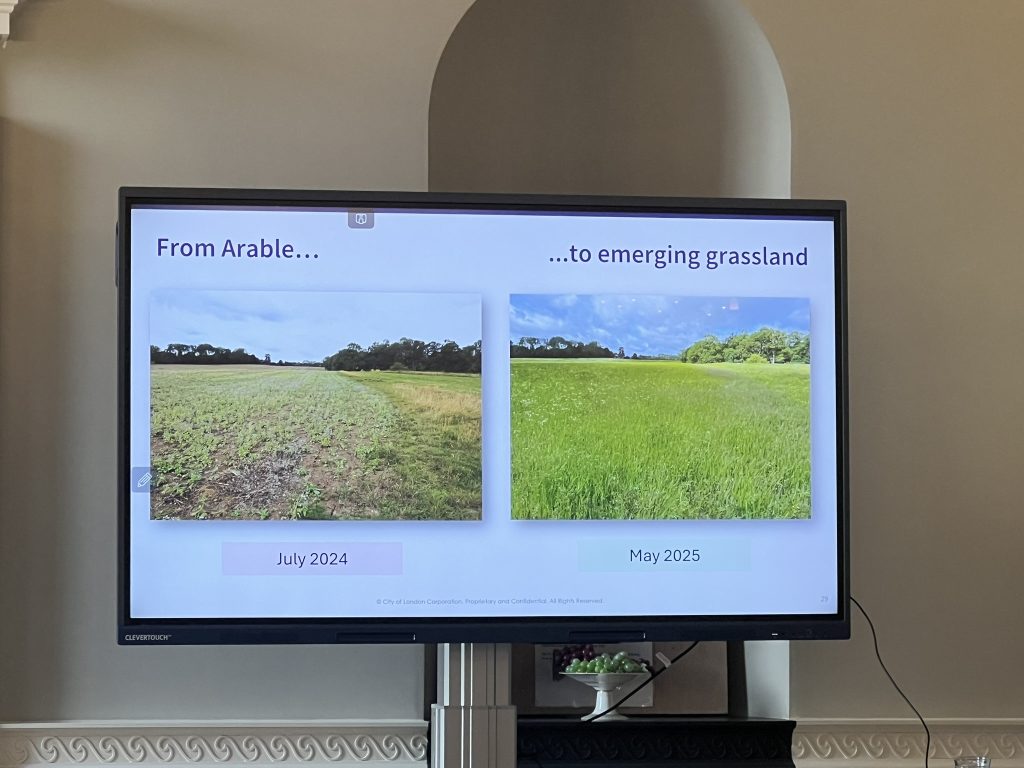
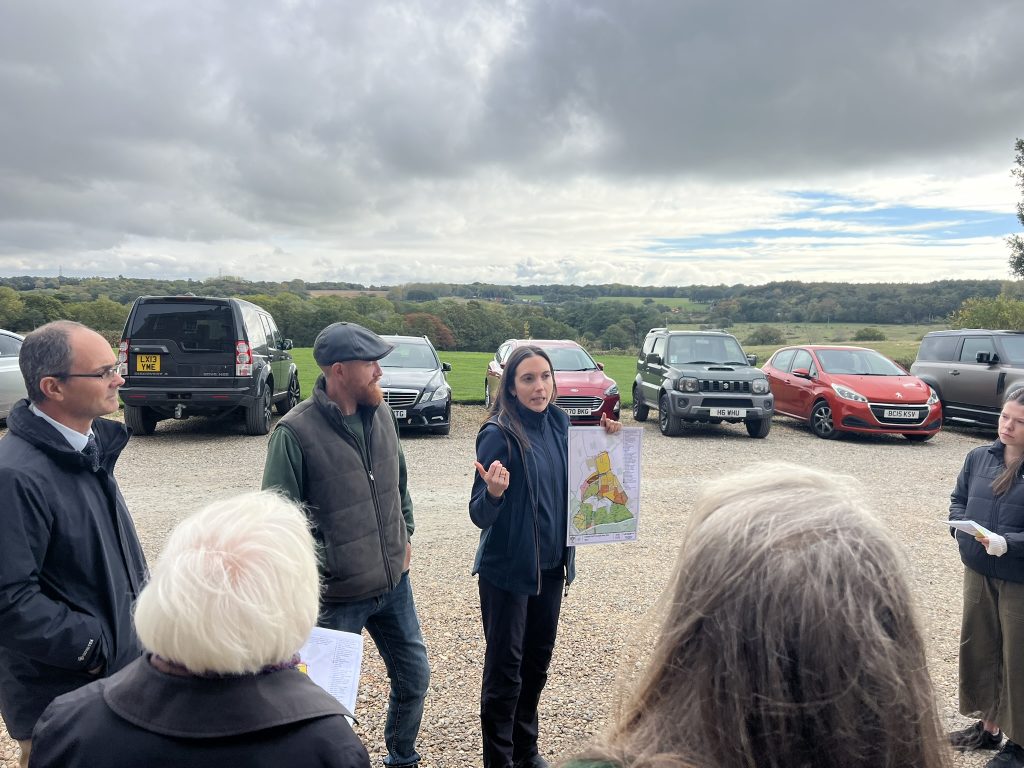
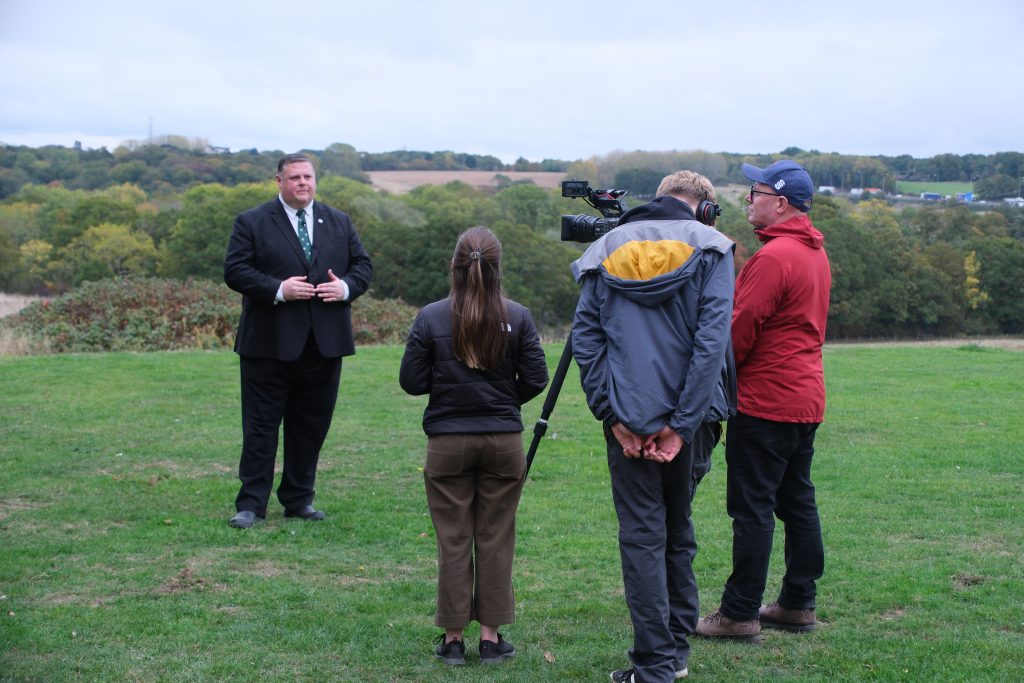
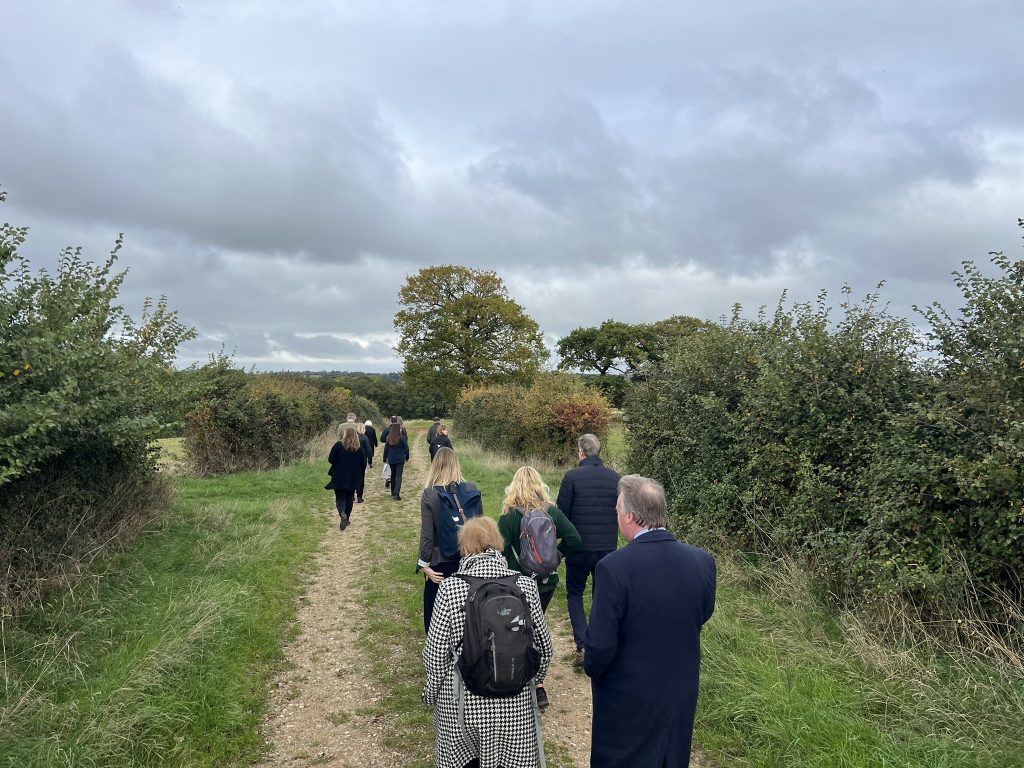
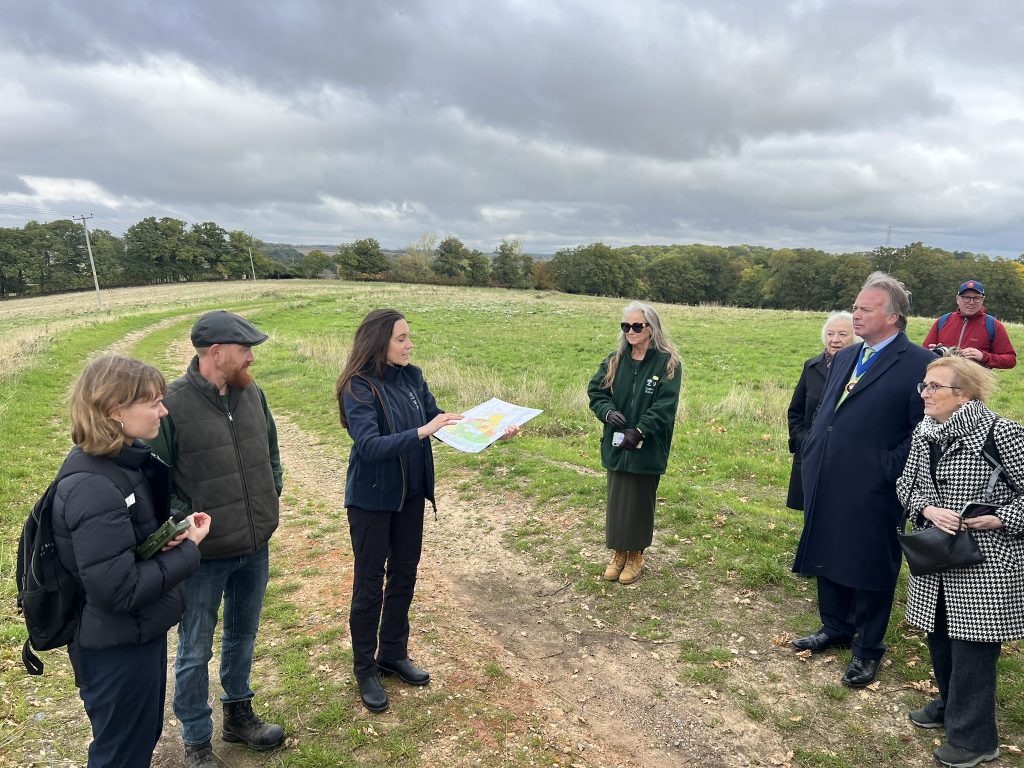
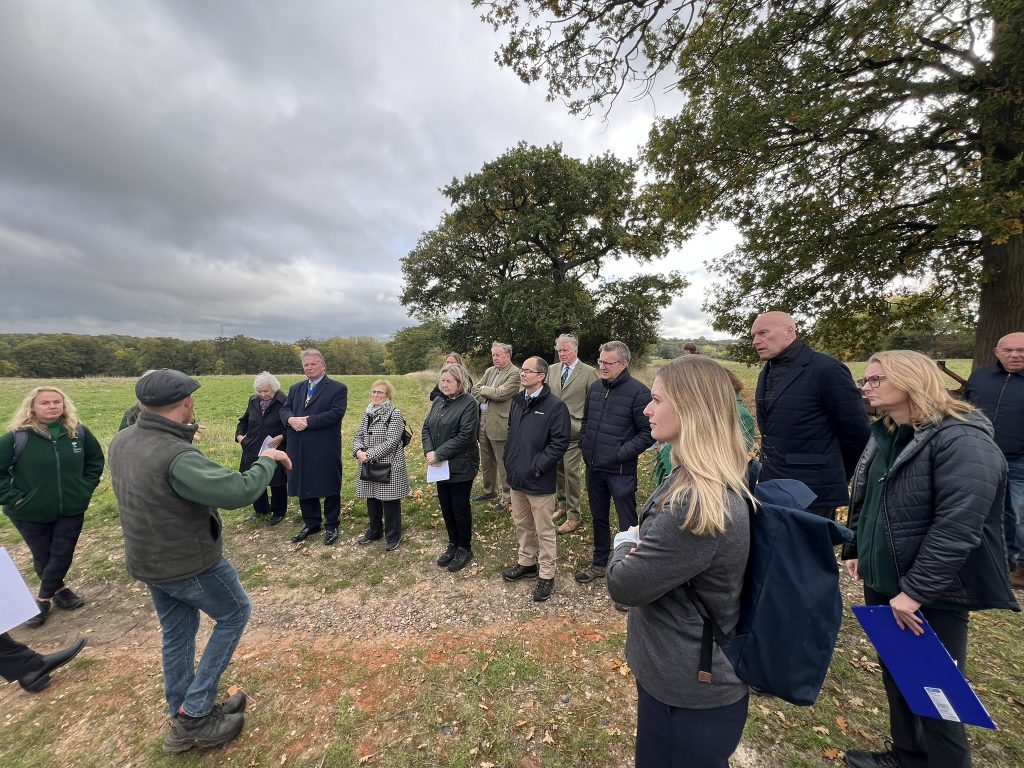
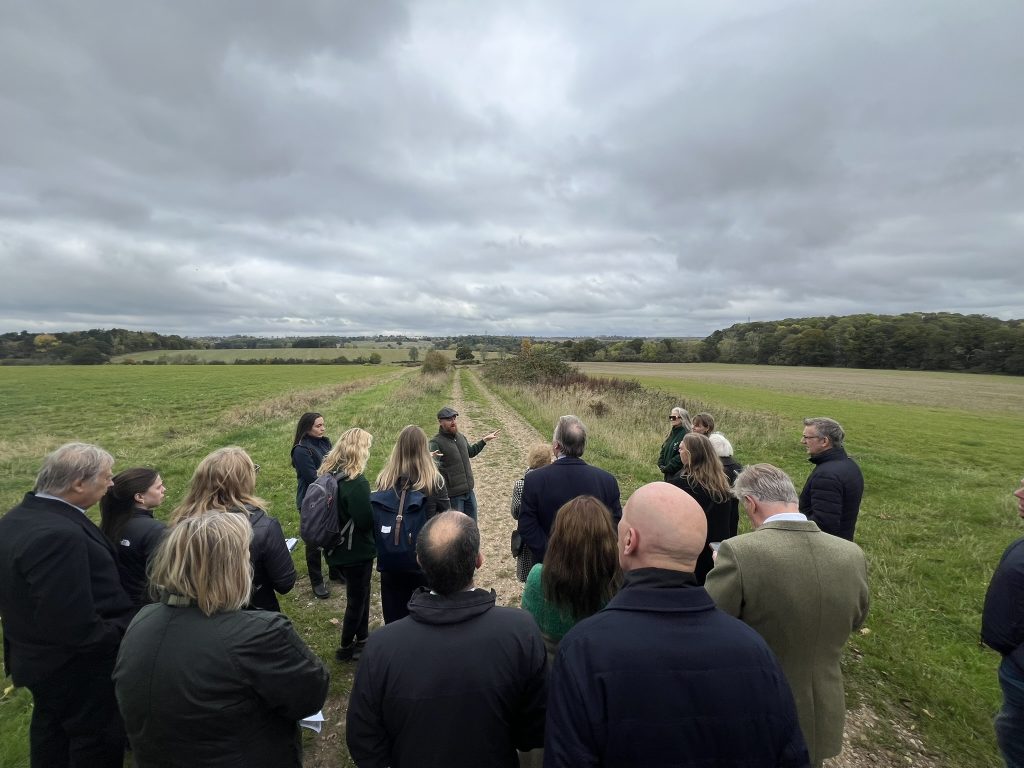
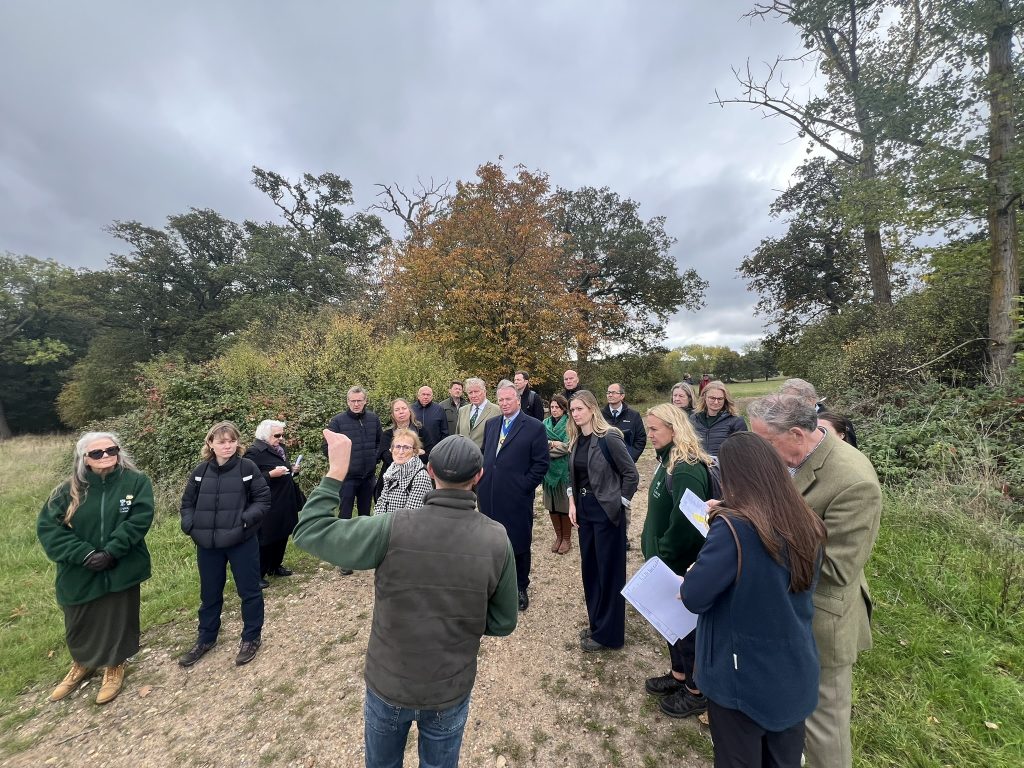
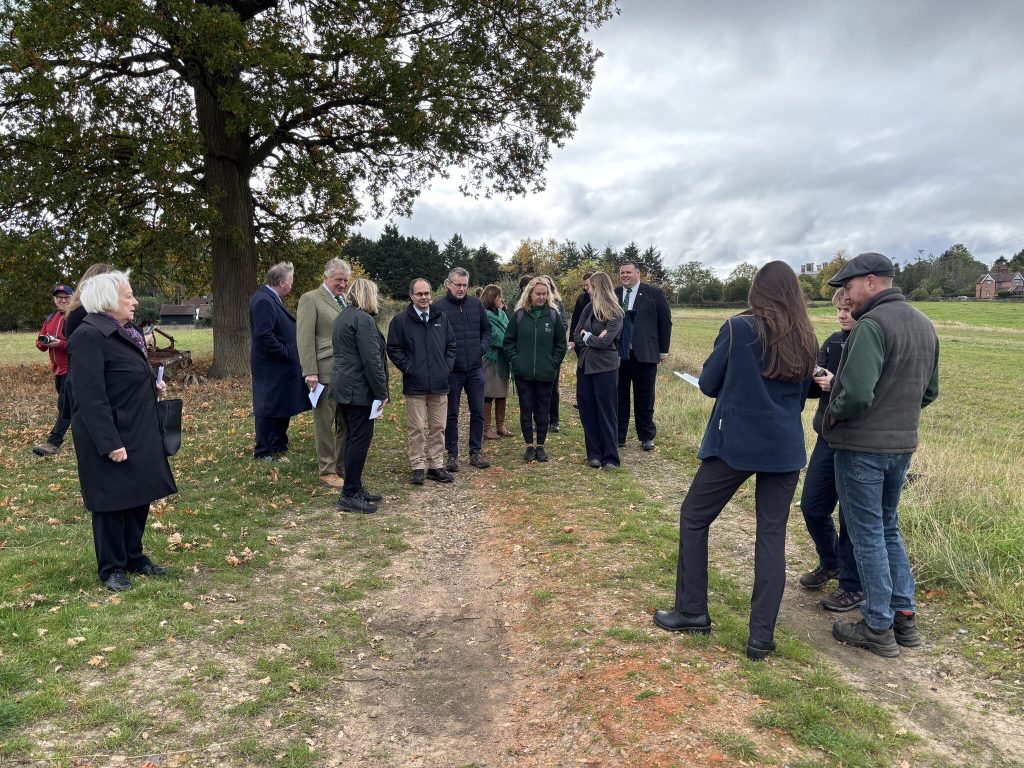
Epping Forest’s Head of Conservation then took us out onto the Copped Hall Estate to see for ourselves how the wildflower grassland meadows are progressing. They usually take 3-5 years to establish, depending on the weather. We were really pleased to see the seeds have taken and the growth is active.
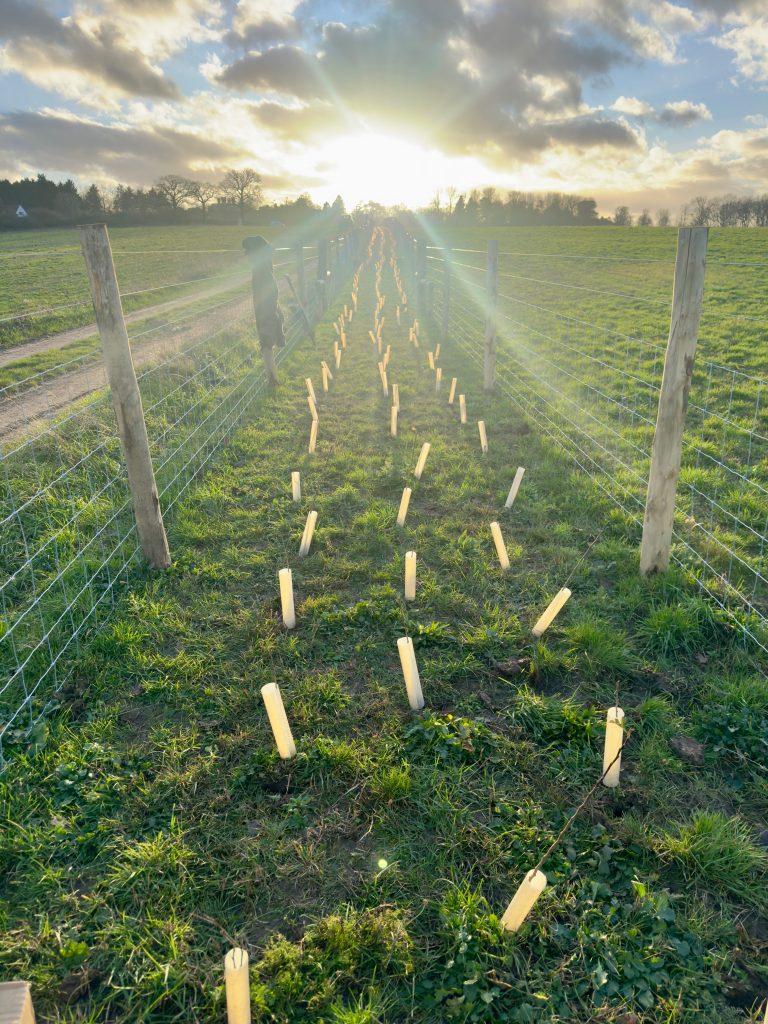
We will also be planting hundreds of new hedgerow whips over the winter, which will then be cut in a couple of years time and laid down to create natural new hedgerows.
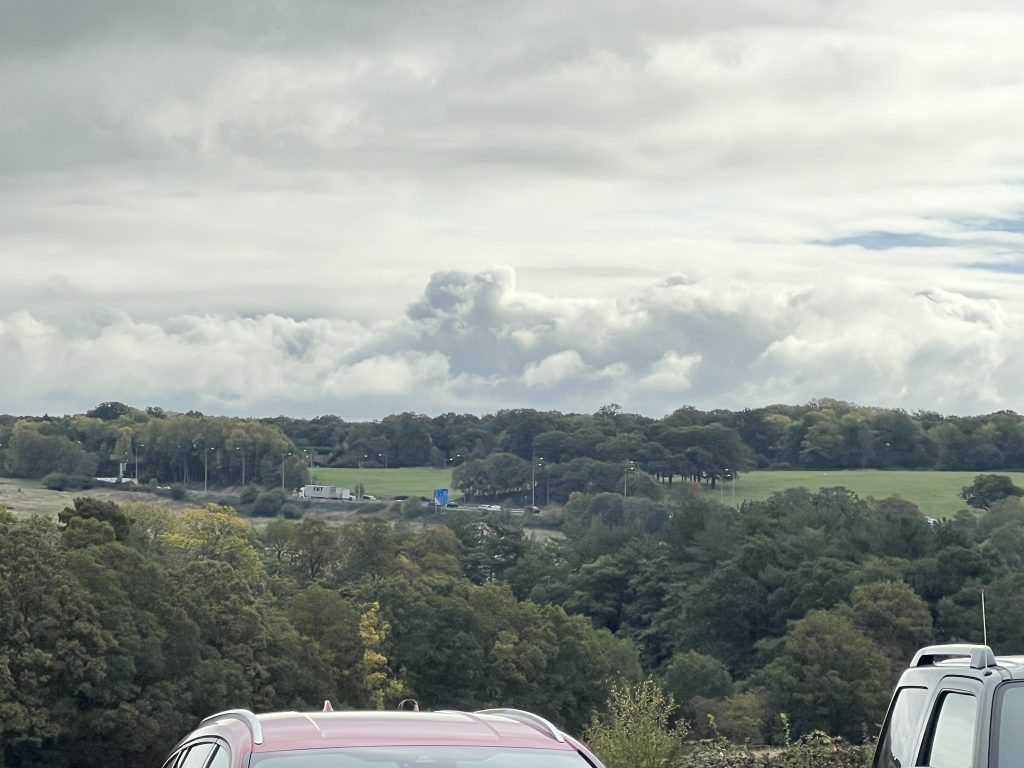
There are also plans to plant a new avenue of trees alongside the M25 motorway, which will reduce emissions, in addition to sound and light pollution.
A really useful day for both City of London Councillors to understand what Epping Forest Buffer Land actually means and does, but also a good opportunity to discuss what is working well, what needs tweaking and what we would like to explore further to ensure the City Corporation can delivery it’s climate action strategy with work which is complementary to good estate management at Epping Forest.
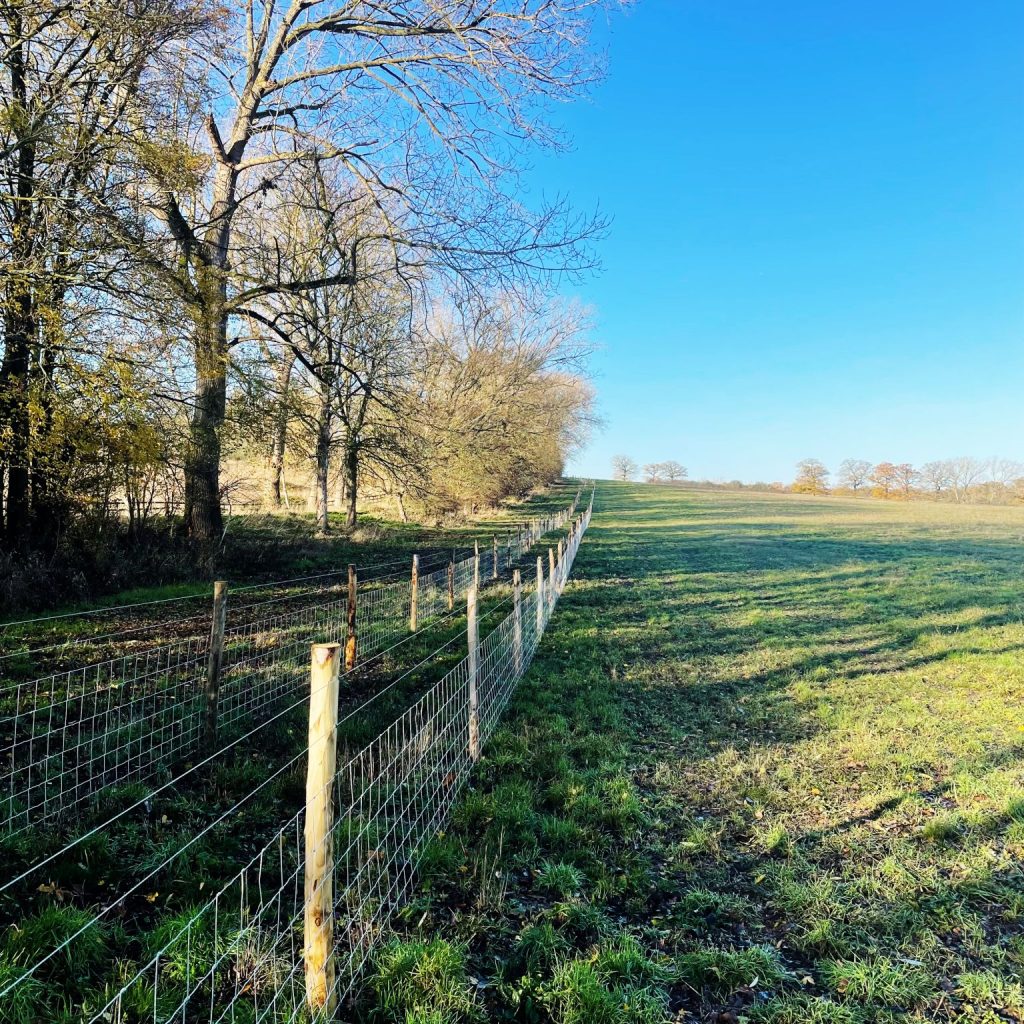
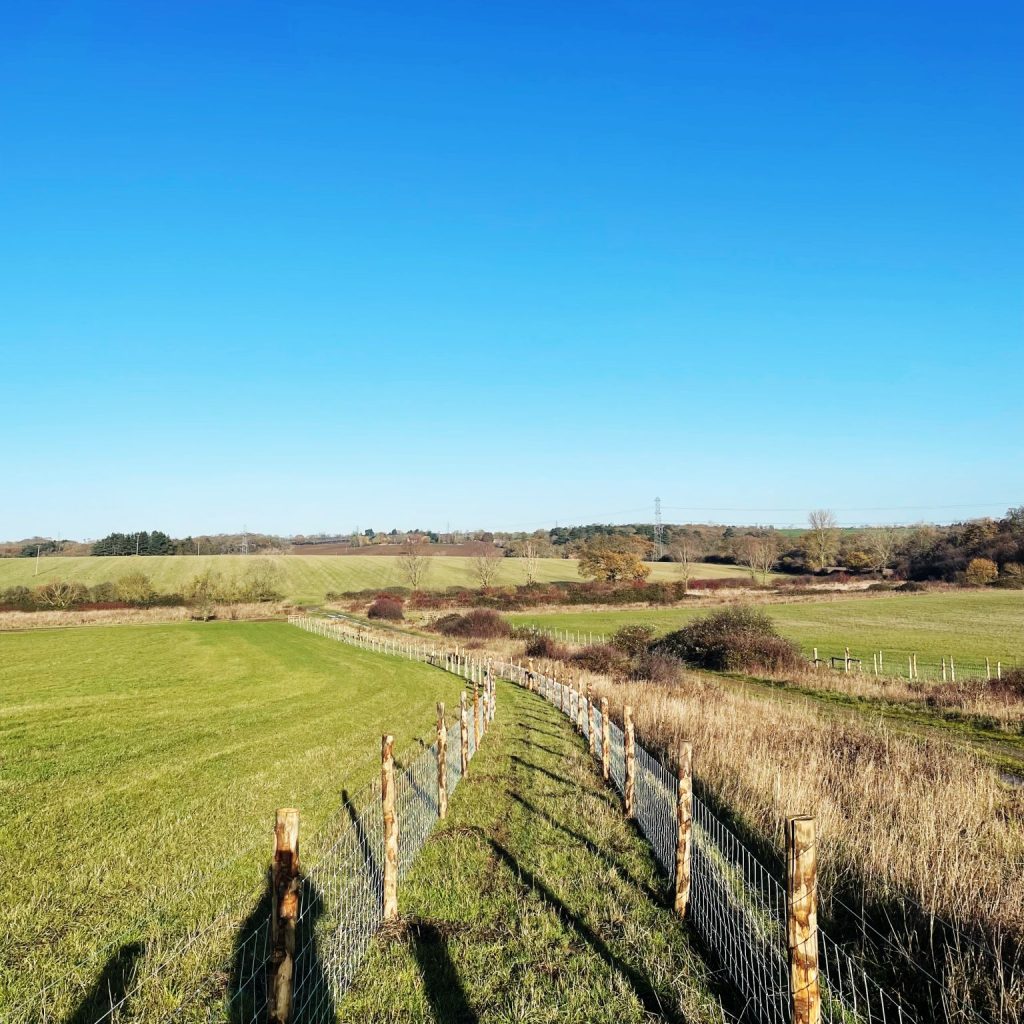
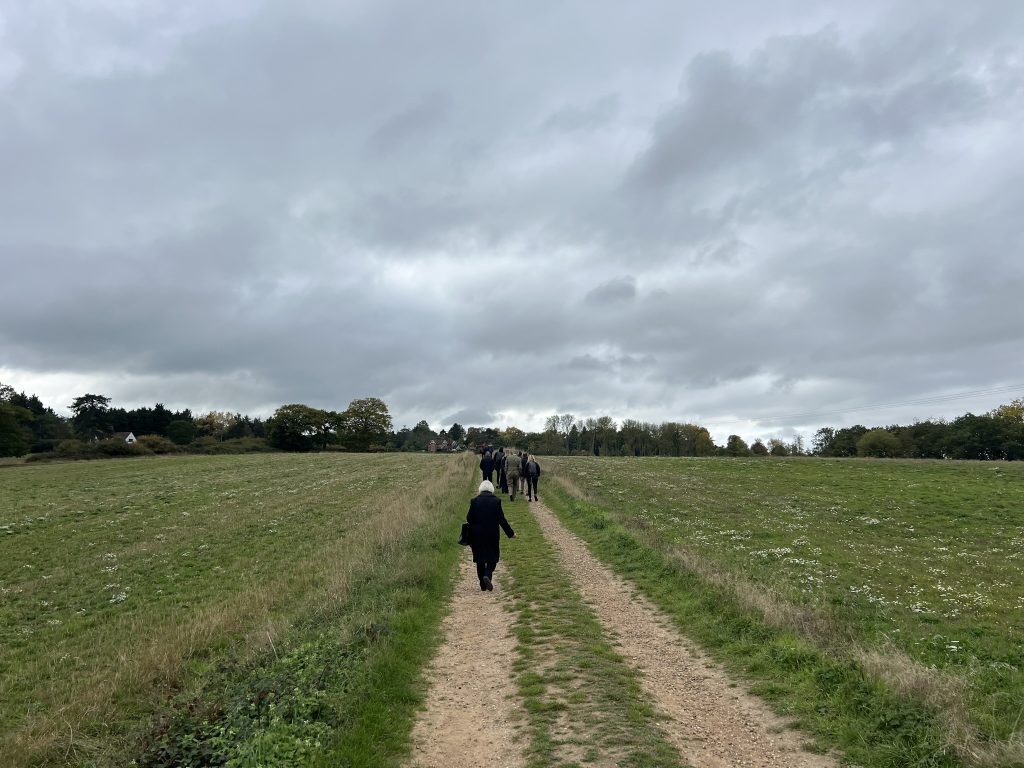
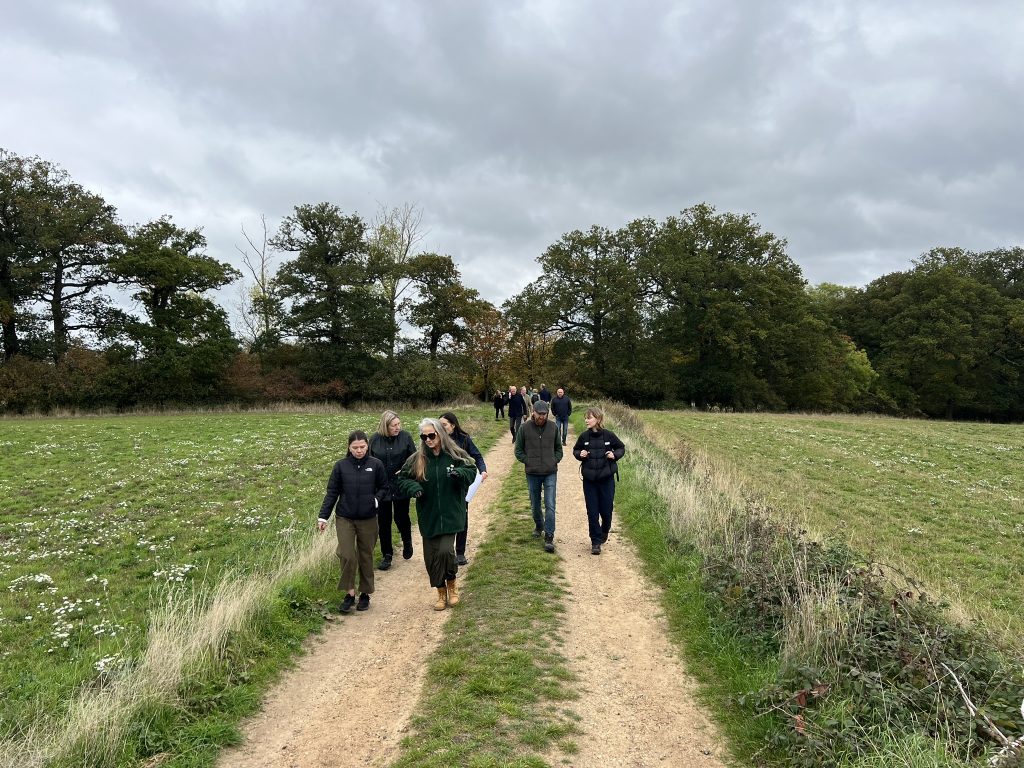
A few other photos of our day below – enjoy!
Below is an example of the new hedgerows and tree samplings being planted across the estate.