As part of the City of London Corporation’s strategy to work beyond the borders of our own green spaces across London and the Home Counties, we have been growing our partnerships with key stakeholders, like the Mayor of London, London Assembly Members and the Greater London Authority.
The Mayor of London’s environment strategy commits to “helping to ensure London is on the path to net-zero carbon emissions by 2030; responding to the climate and ecological emergencies; and improving London’s air quality to meet World Health Organization guidelines across our city.”
To support this work, the Mayor has an allocated budget in 2024-2025 of £30.4m.
The open spaces charities of which the City of London Corporation is the Trustee include 4,459.6 ha which our Natural Capital audit shows delivers £282.6 million annually in public benefits for London. For every £1 spent on maintenance in the our charities, we deliver £16.40 in natural capital benefits.
Despite managing the largest free open spaces in London with huge public benefits and delivering the strategic objectives of the Greater London Authority, none of the Mayor’s Budget is allocated to support projects in our open spaces.
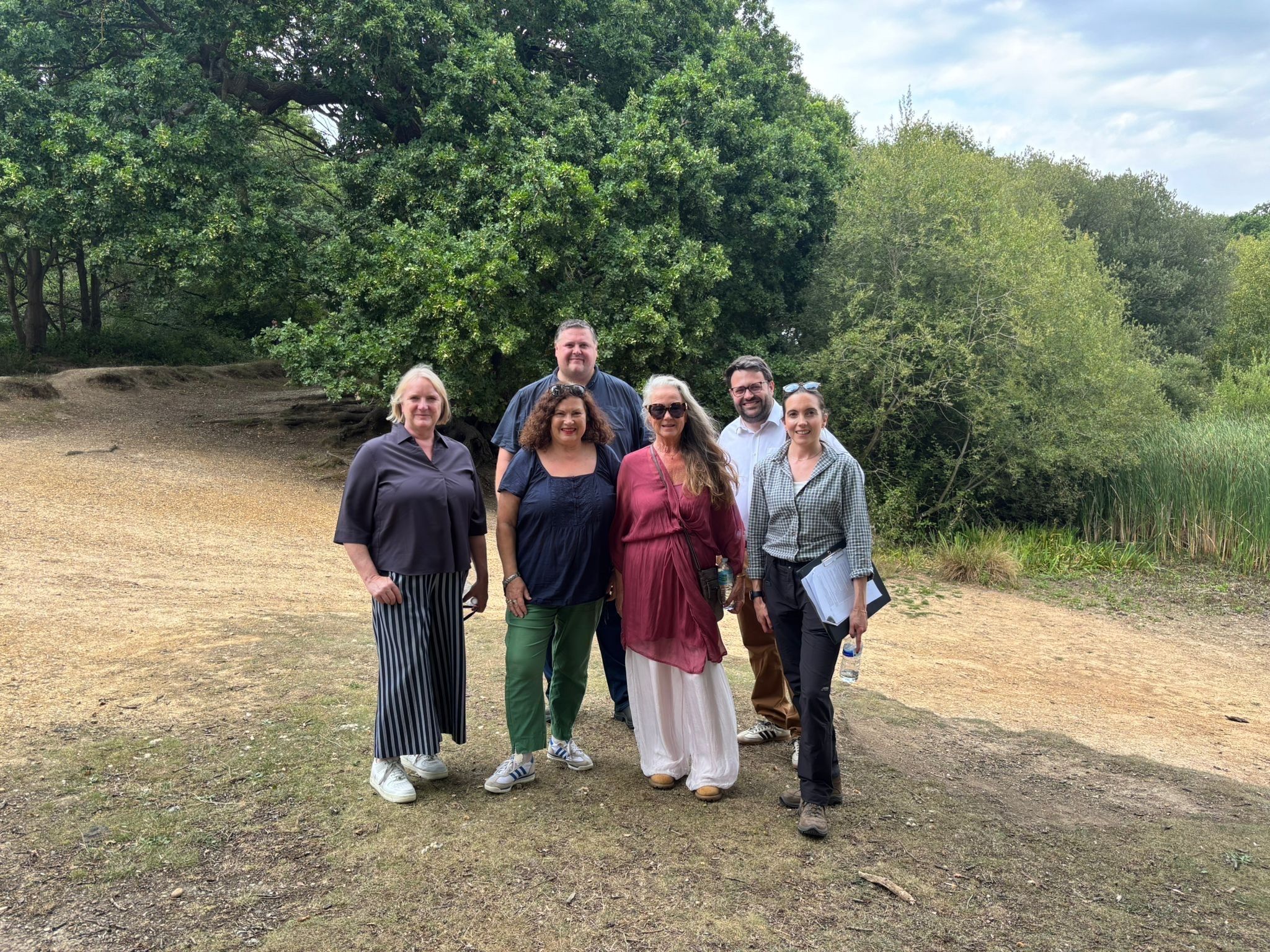
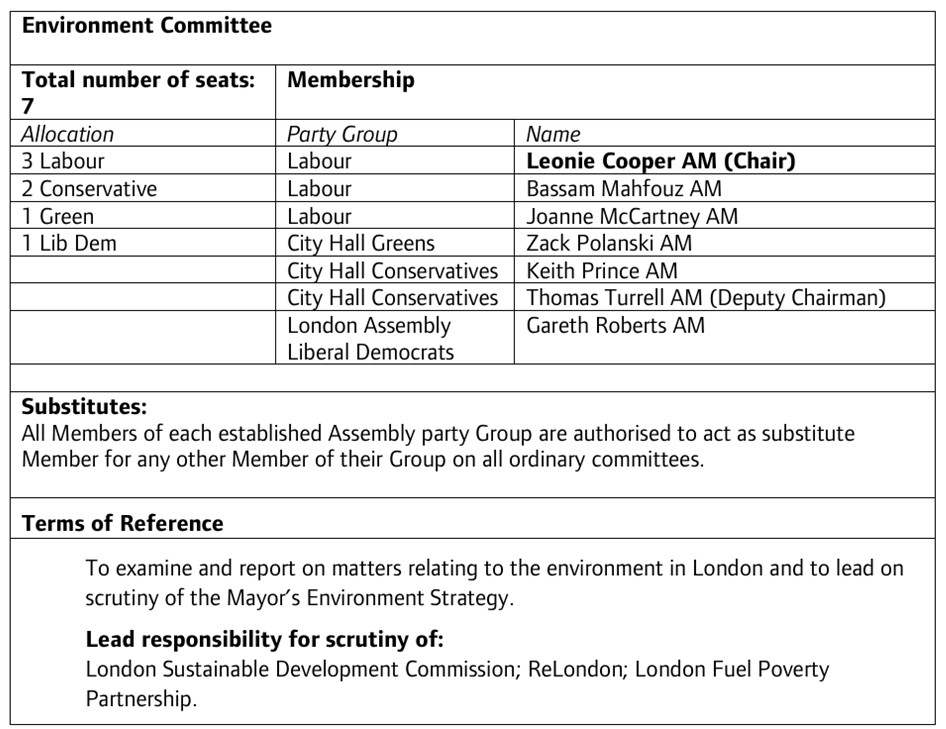
The London Assembly’s Environment Committee is responsible for scrutiny of the Mayor of London’s Environment Strategy, so impact and resource allocation is a really important part of of the work they do across the capital.
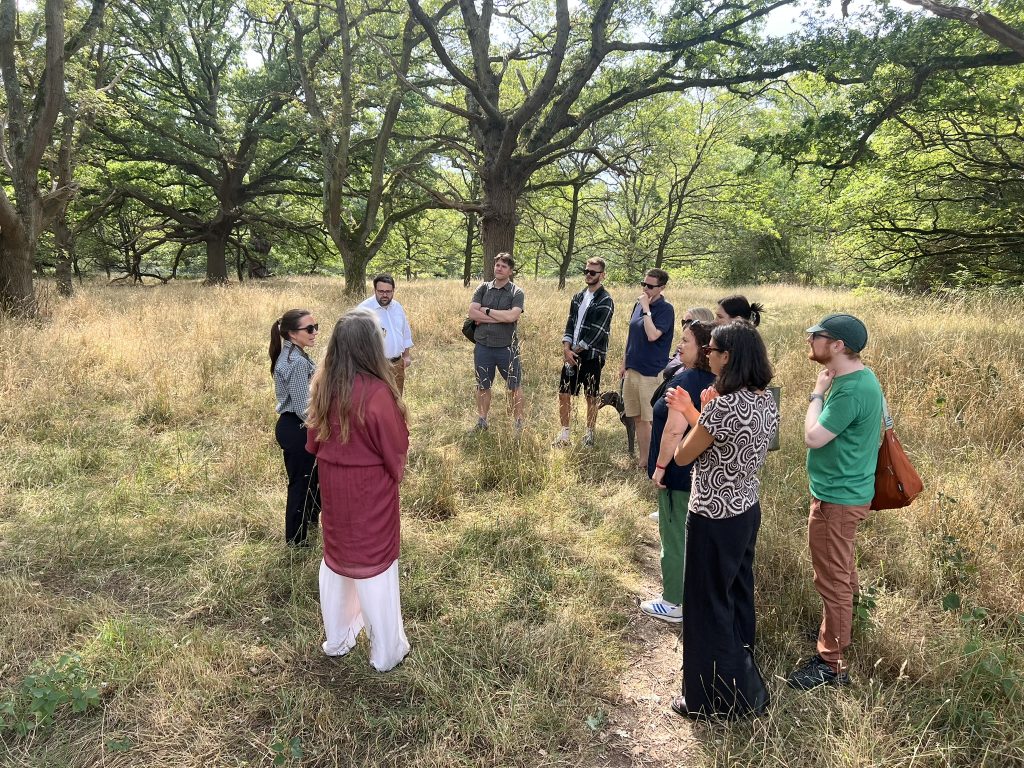
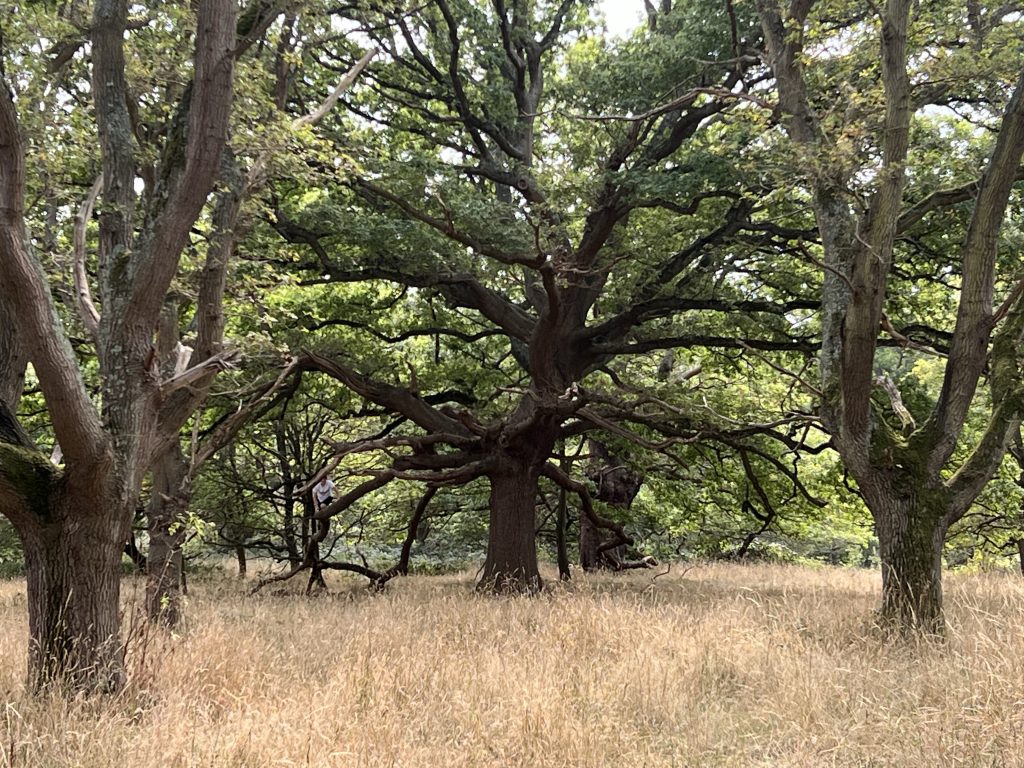
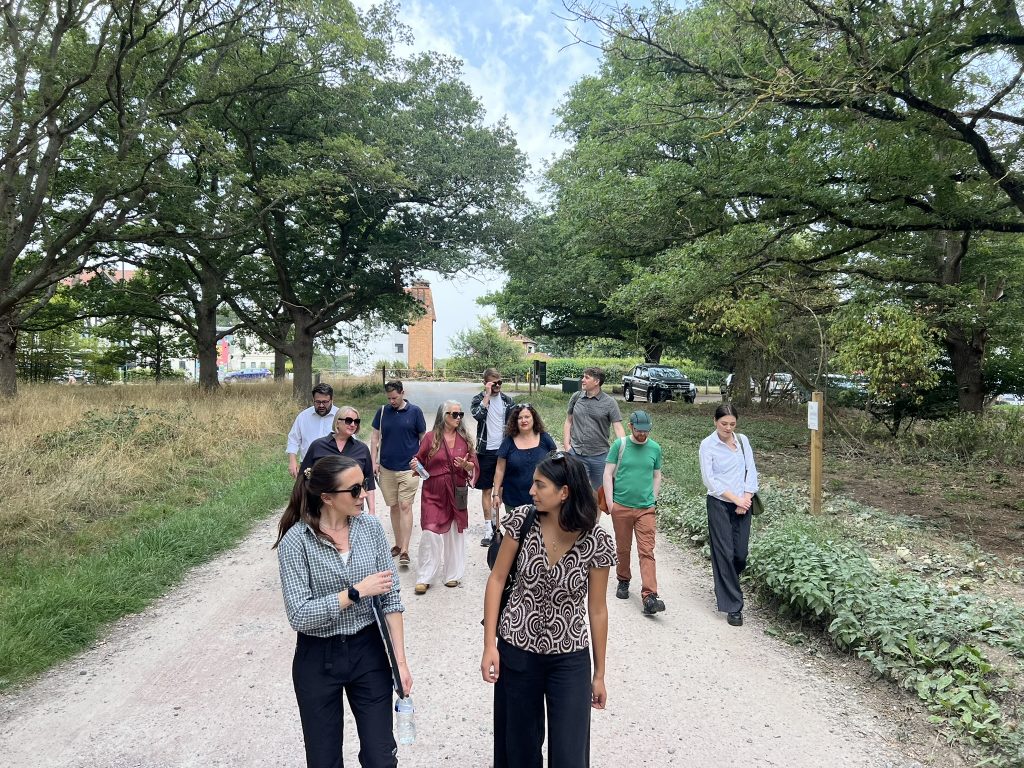
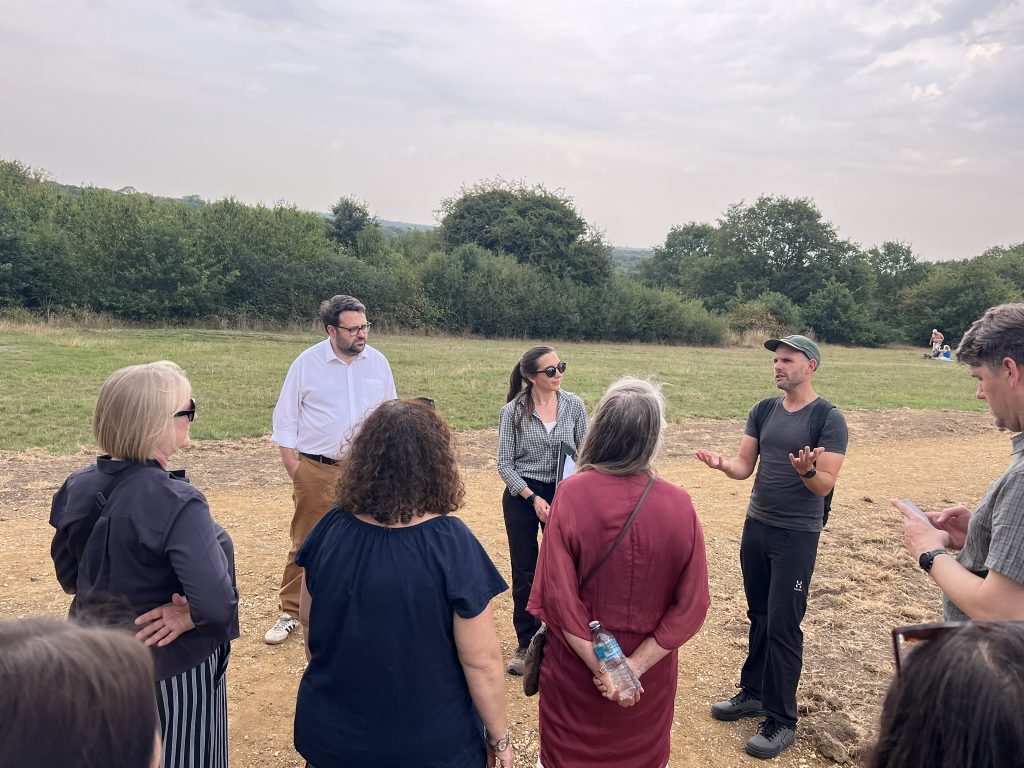
The purpose of the visit was following on from evidence submissions we have made to the Committee through our Chief Officer team. Over the years I have leant that the scale and importance of our green spaces need to be experienced to be fully understood. What does 11,000 acres and 40 million visitors annually look like. What is an ancient or veteran tree and why is it so important to the wider landscapes eco system. How are Epping Forest’s 1-2 million trees being managed so successfully to suck up huge volumes of carbon from London’s atmosphere. How are the 40,000 students from boroughs across London visiting our open spaces annually setting the tone for future generations to come. How are we improving biodiversity and pro-actively creating habitat restoration.
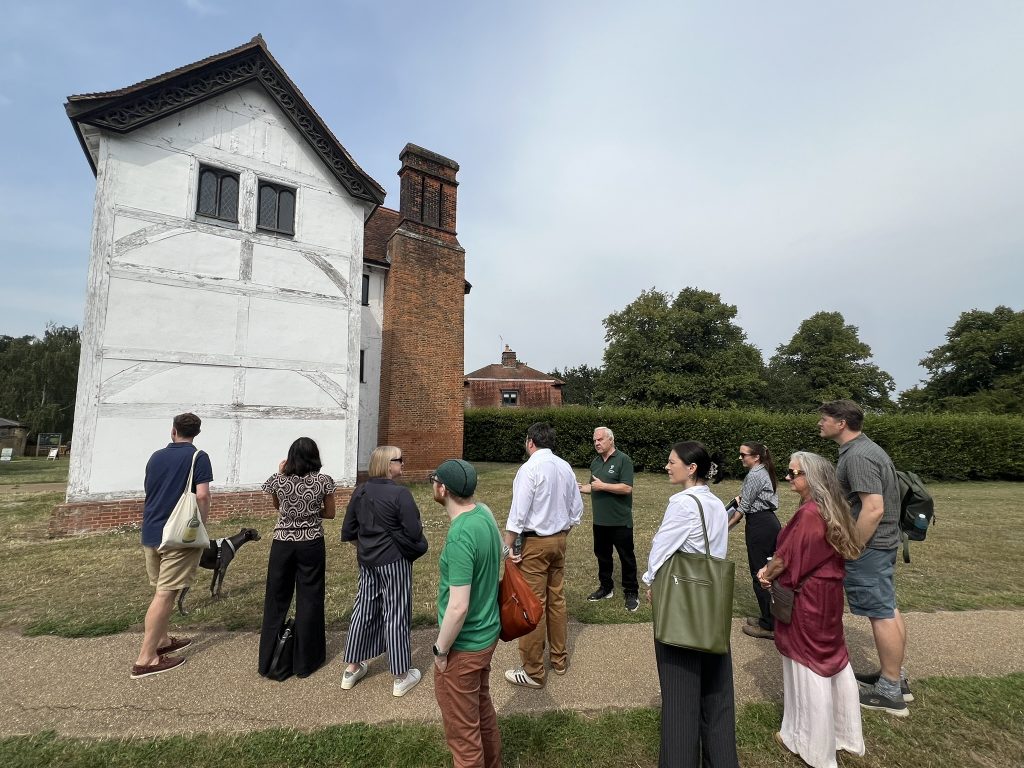
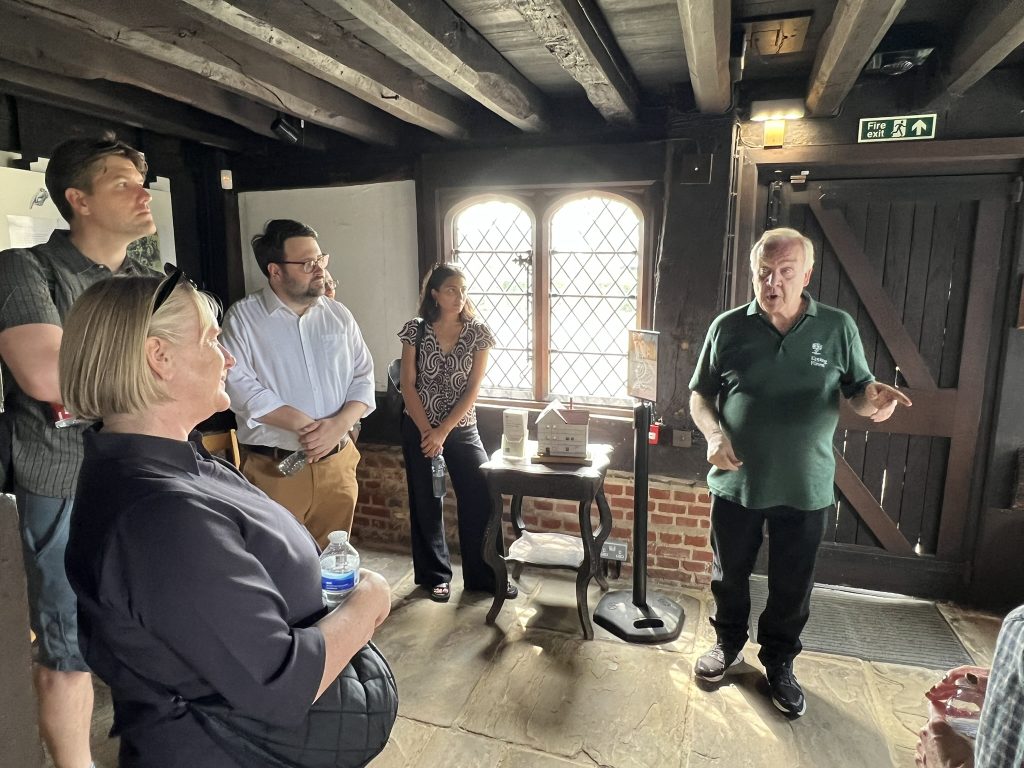
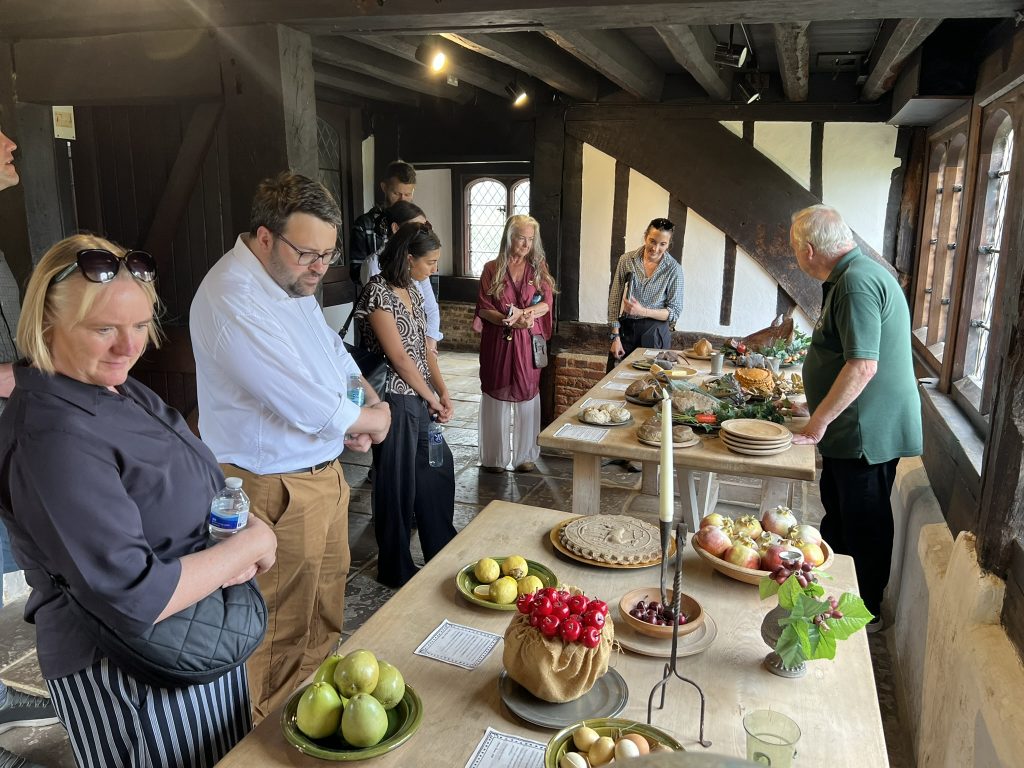
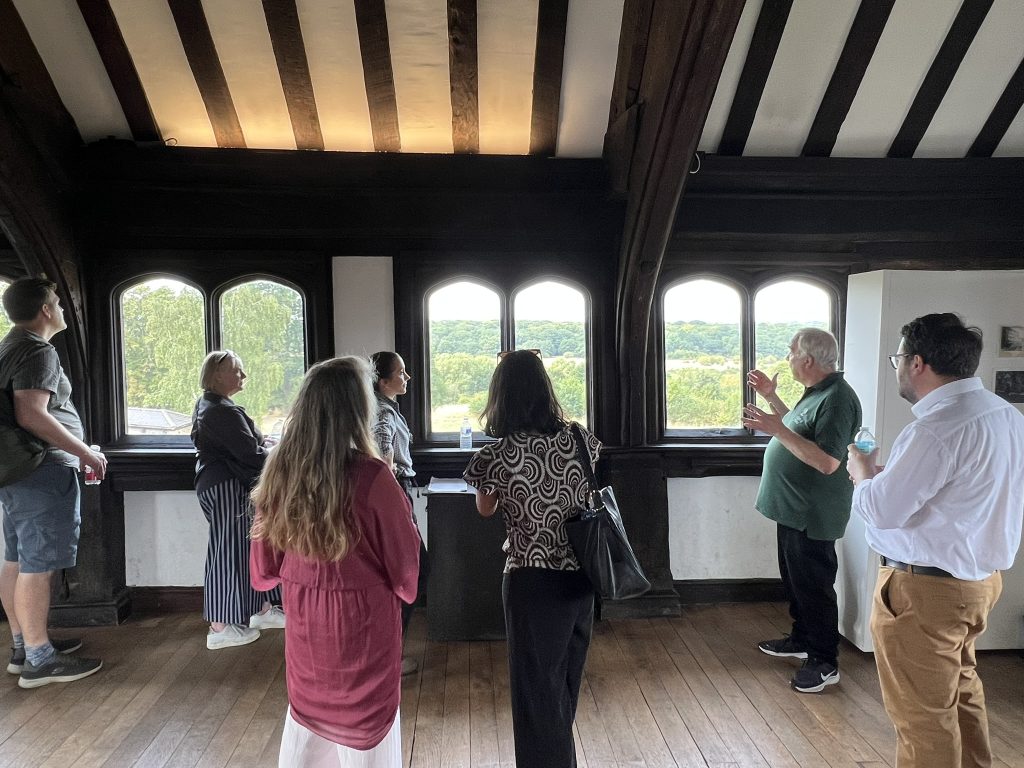
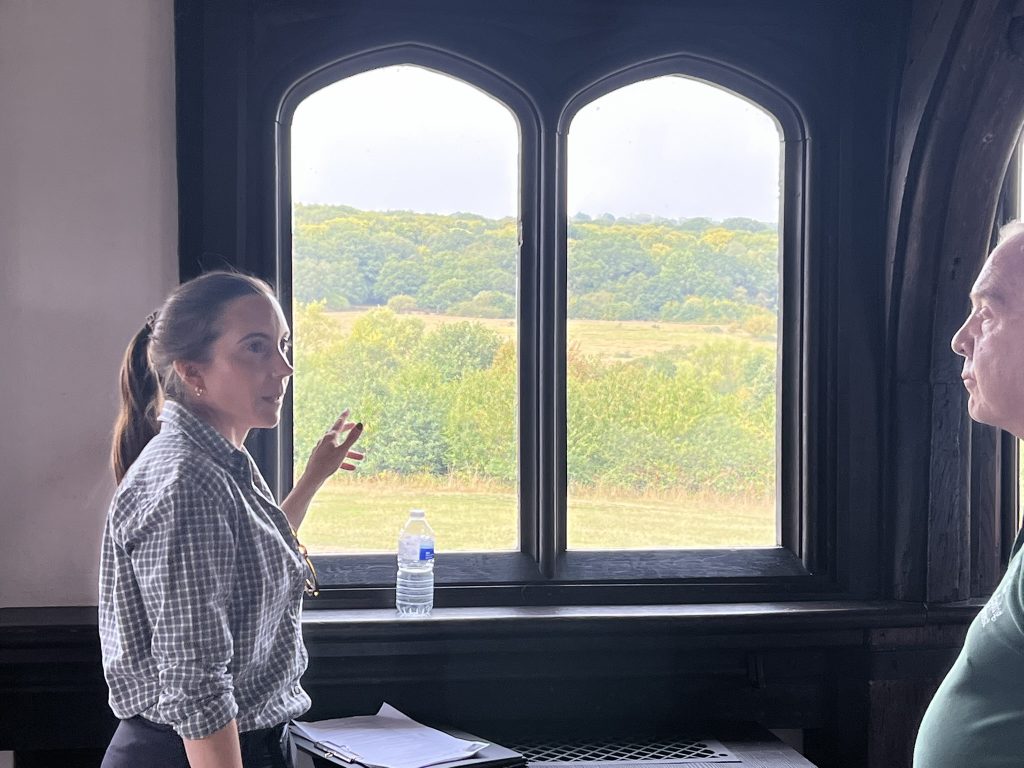
We begun our tour at Queen Elizabeth I’s Hunting Lodge at Chingford. A museum supporting heritage and setting out the relationship between the Royal Family, the City and local people.
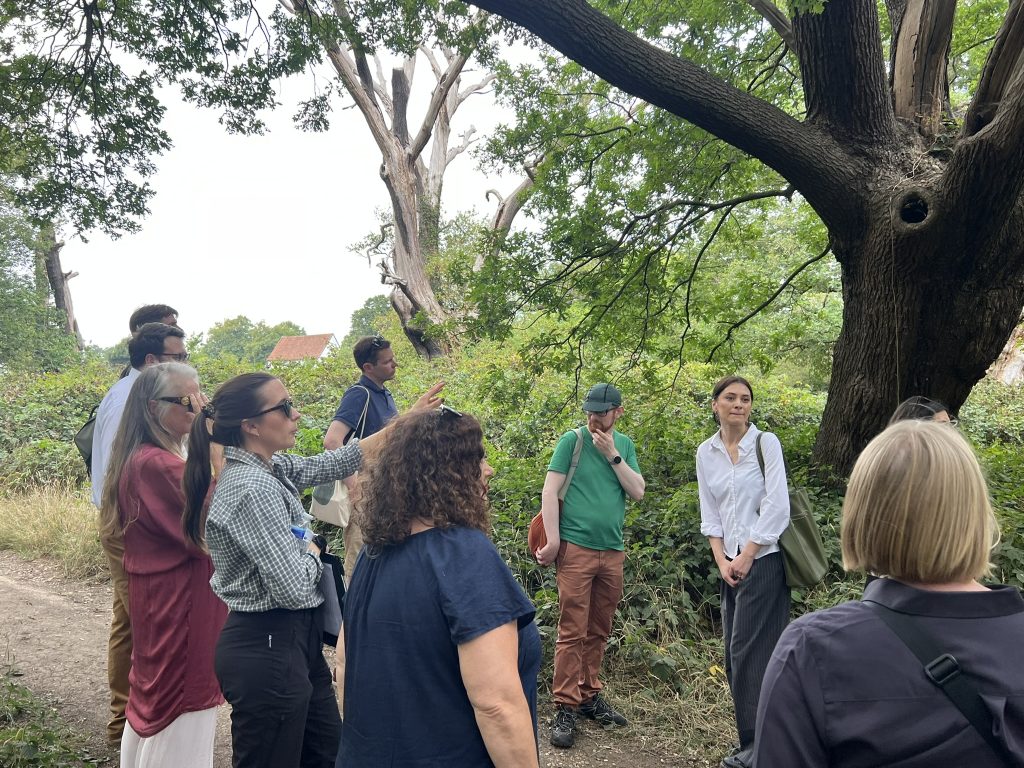
Our Head of Conservation then provided a tour of some of our ancient trees, explaining the clever techniques being adapted to veteranise younger trees earlier, to increase the impact on the environment. The City of London Corporation recently hosted an International Veteran Trees Conference which shared learning and practical skills to have a greater impact in the face of climate change.
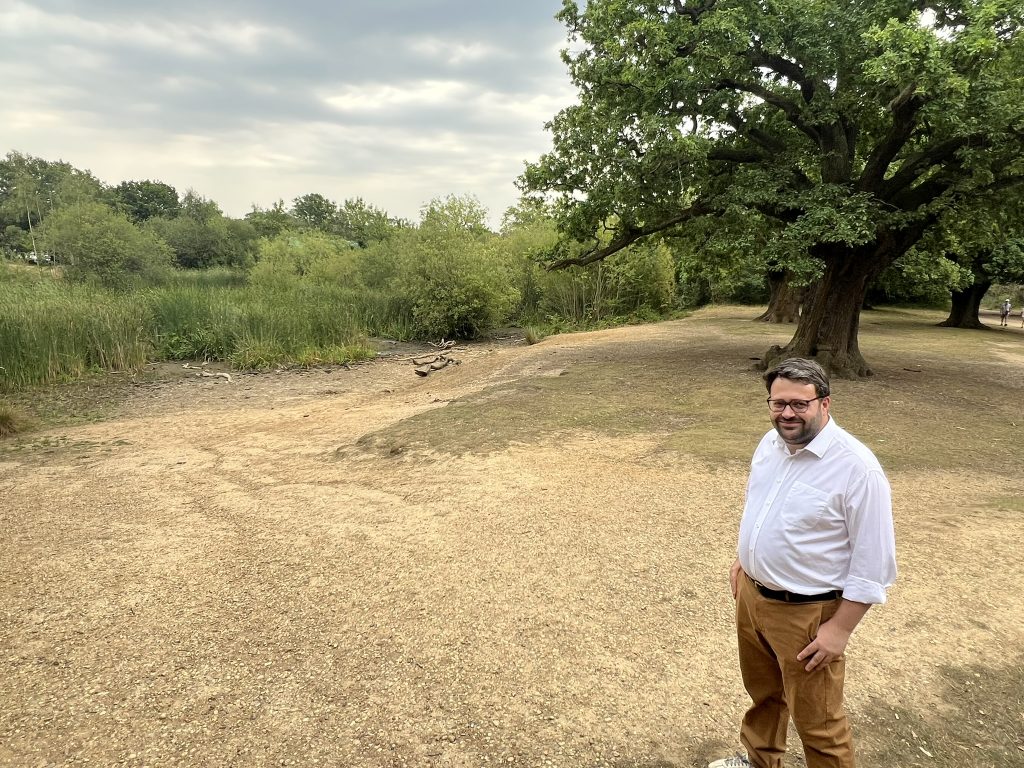
We discussed the need for greater climate resilience, particularly where it comes to water retention. We looked at some of the great ponds, lakes and reservoirs which are nearly empty in Epping Forest at the moment and the cost charities have to carry to perform maintenance on them, recognising that biodiversity is simply not sustainable without increased water supply and retention.
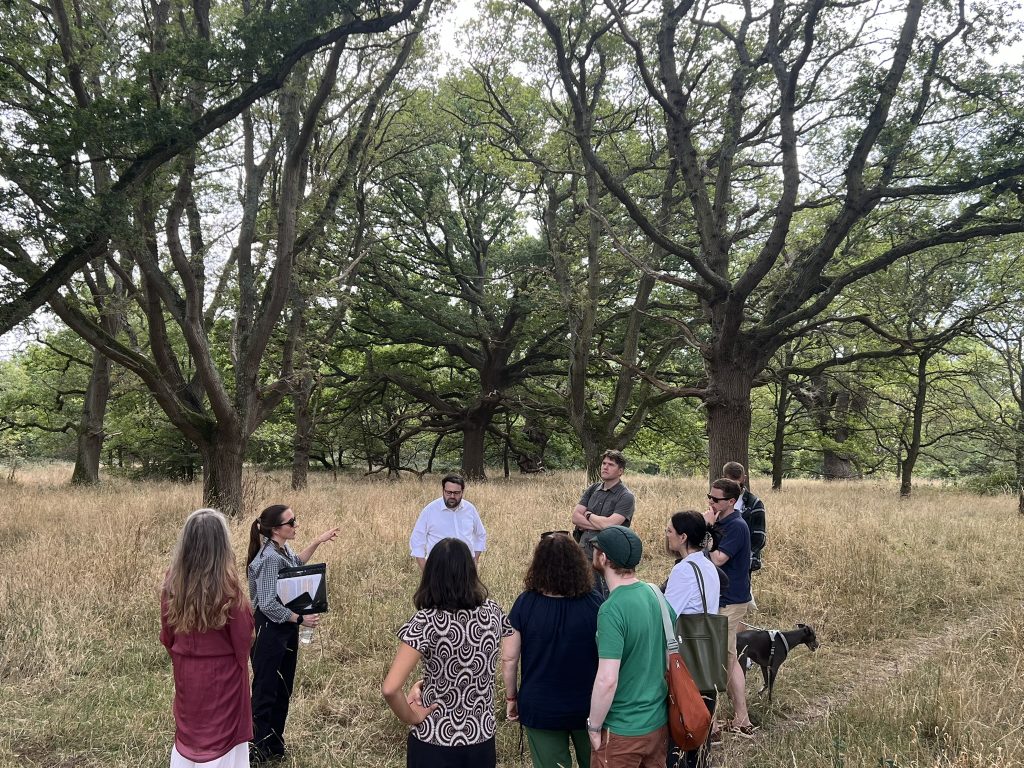
We discussed the many London Boroughs with whom we work to create Local Plans, which recognise the importance of the Special Area of Conservations, Sites of Special Scientific Interest and National Nature Reserves. We walked through some of the projects being supported by Section 106 Strategic Access Management and Monitoring from developments, such as the new Gloucester Ride path and the Brambly Hedge Trail to help keep visitors to defined paths when navigating green spaces to limit the impact of increased visitor numbers. We also discussed the fact that challenging financial circumstances have meant that many London Boroughs have sold off green assets, increasing the pressure on the City’s green spaces above and beyond the Local Plan’s forecast numbers with no support.
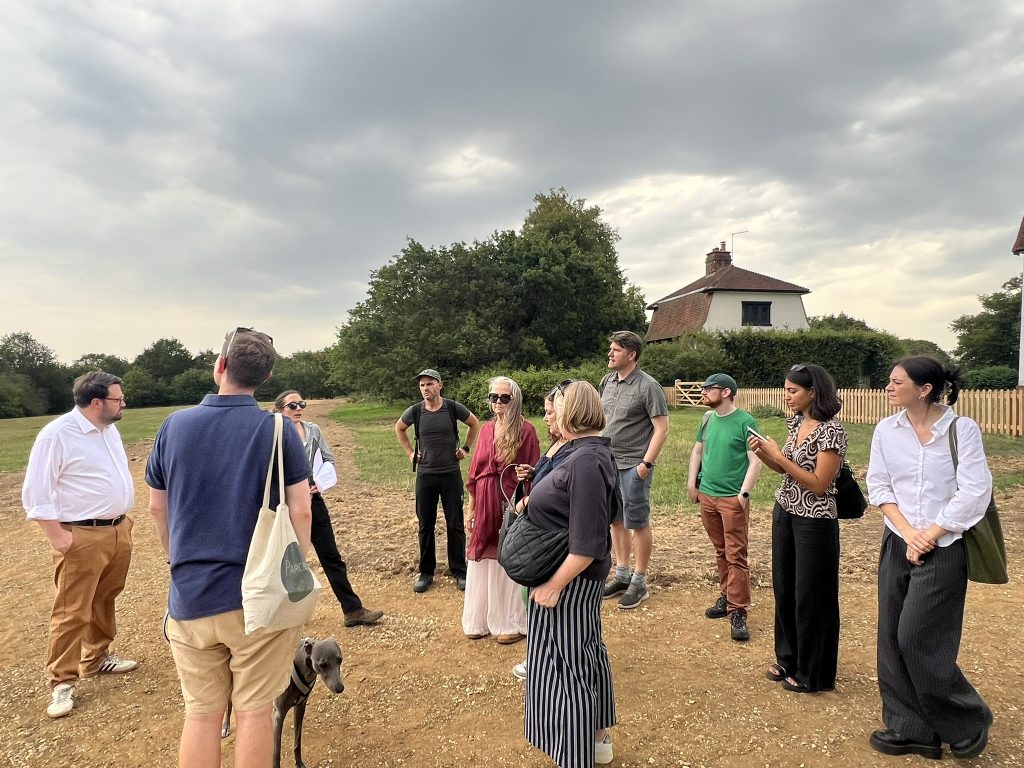
We talked mostly about the need for continued dialogue between our respective organisations, who share strategic ambitions and can support each other through better informing documents like London’s Local Nature Recovery Strategy.
My thanks for Thomas Turrell AM for his help in pulling the visit together.